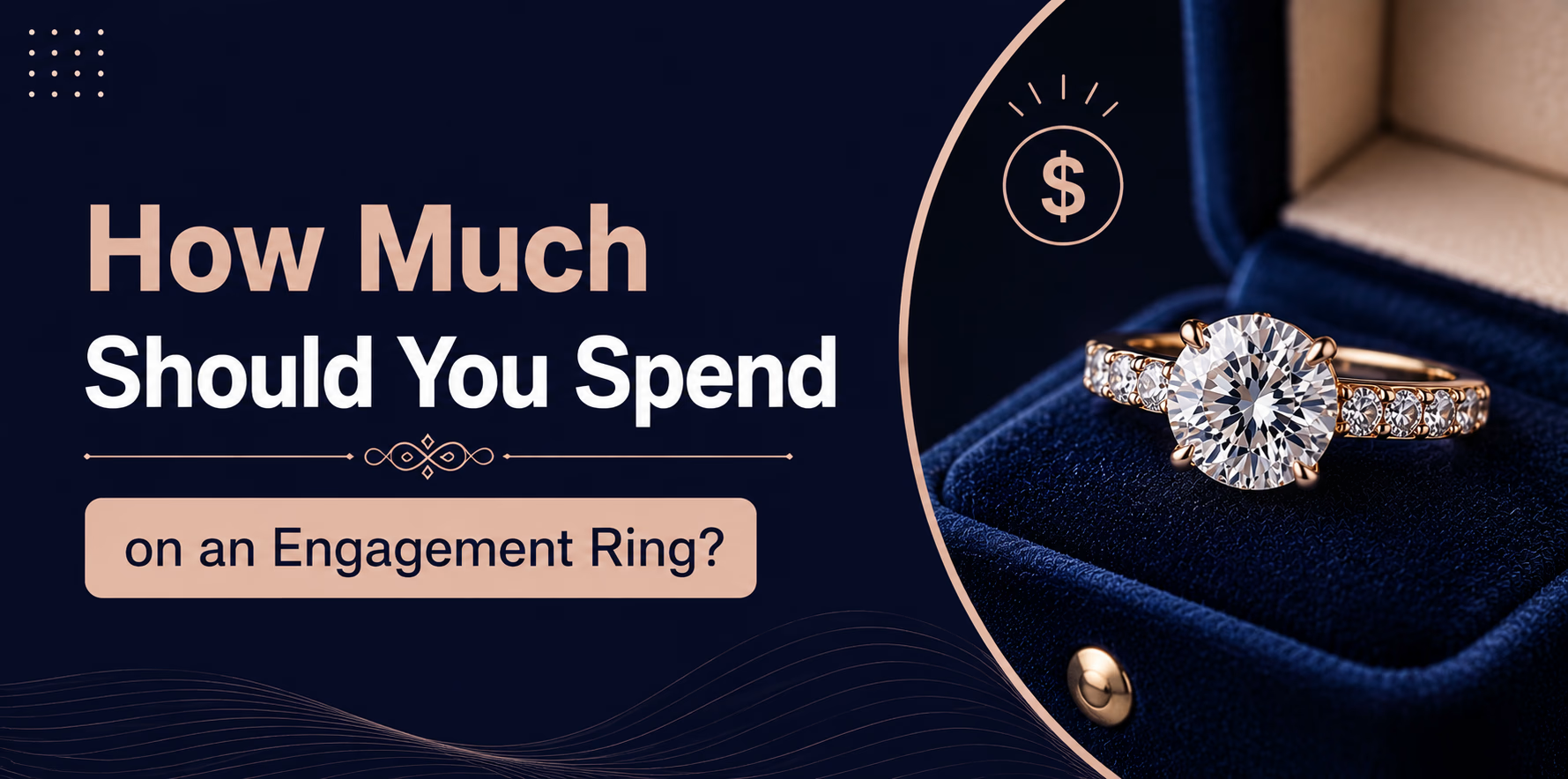
How Much Should You Spend on an Engagement Ring?
Buying an engagement ring is one of the most emotional purchases people make—but in 2026, it has also become one of the most researched financial decisions.
Modern buyers are no longer blindly following outdated “salary rules” or retail pressure tactics. Instead, they are asking smarter questions:
- What is a realistic engagement ring budget?
- What actually impacts ring pricing?
- Should I prioritize the stone, design, or craftsmanship?
- How can I maximize value without overspending?
This guide breaks down the average engagement ring cost, budgeting strategies, pricing factors, and smart buying approaches to help you make an informed decision.
Key Takeaways
- There is no fixed rule for deciding an ideal engagement ring budget—the right amount depends on your financial comfort and priorities.
- The average engagement ring cost varies based on gemstone type, metal, design complexity, and buying channel.
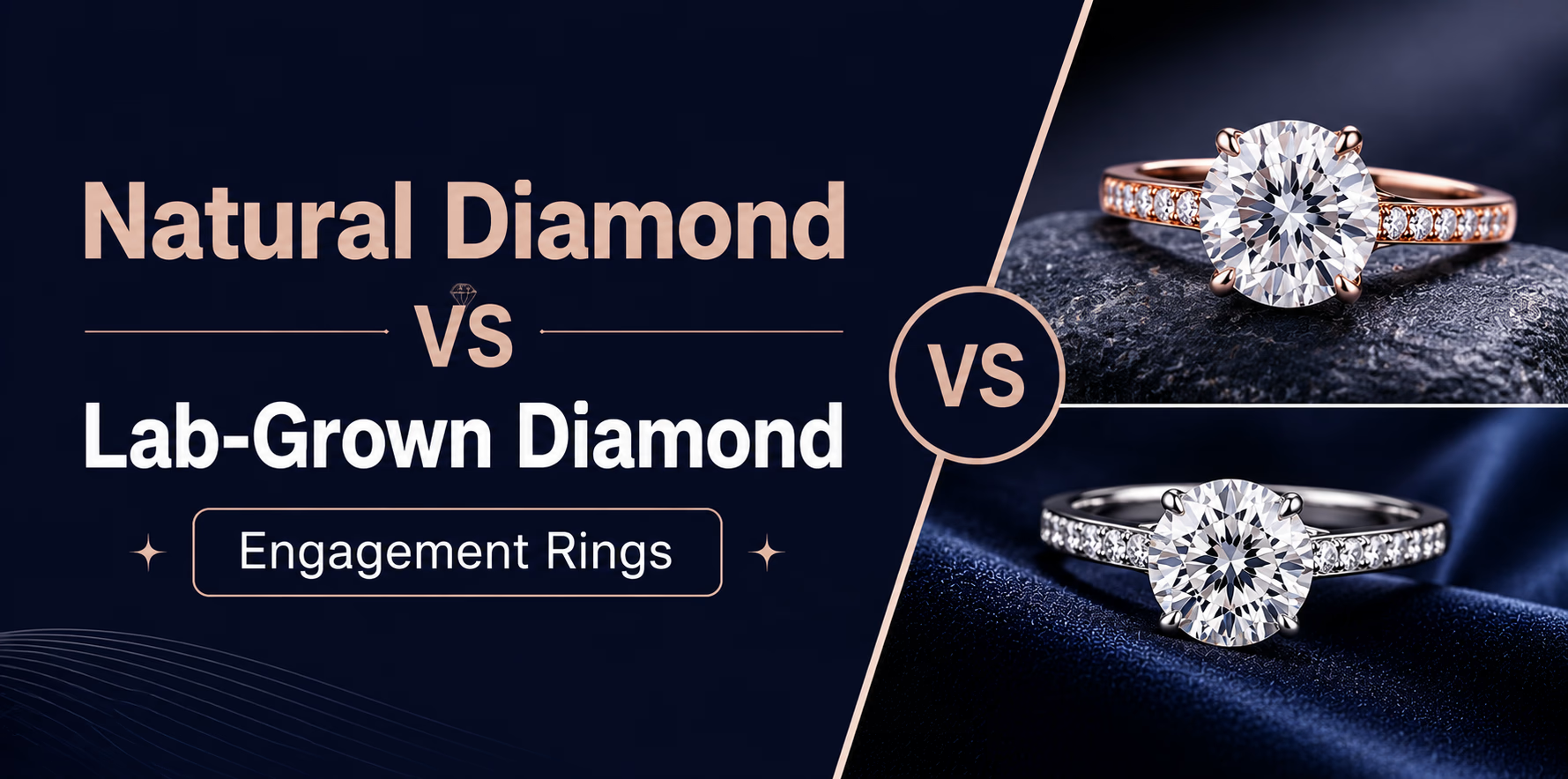
- Natural diamonds carry emotional and luxury value, while lab-grown diamonds and moissanite offer better cost efficiency.
- Retail pricing often includes heavy markups for branding, showroom costs, and marketing.
- Buying directly from a manufacturer can help save 30%–50% while offering better customization options.
- Smart buyers focus on the complete value equation: Stone + Design + Craftsmanship + Sourcing Strategy
- CAD previews and direct customization allow buyers to control both aesthetics and budget more effectively.
- Bigger spending does not always mean better value—balanced design and smart sourcing matter more.
- Comparing multiple stone options before purchasing helps optimize long-term satisfaction and budget allocation.
- The modern engagement ring buying approach is shifting toward transparency, personalization, and value optimization.
The Biggest Myth: There Is No “Perfect” Engagement Ring Budget
For years, buyers were told to spend two or three months’ salary on an engagement ring.
Today, that approach is becoming outdated.
Modern engagement ring buying is shifting toward:
- Financial practicality
- Customization
- Value optimization
- Smart sourcing
The right engagement ring budget is not determined by tradition—it is determined by:
- Your financial comfort
- Your priorities
- Your design expectations
- Your long-term goals
Average Engagement Ring Cost
The average engagement ring cost can vary widely based on several important factors. There is no fixed pricing standard because every ring is influenced by the materials used, the level of customization, and where the ring is purchased from. While some buyers prefer minimal and budget-friendly designs, others invest in premium stones, luxury craftsmanship, and branded collections.
Understanding these pricing factors helps buyers set a realistic engagement ring budget and make more informed purchasing decisions.
Key Factors That Impact Engagement Ring Pricing
- Stone Type
The center stone is usually the biggest contributor to the overall ring cost. Natural diamonds are generally the most expensive due to rarity and market demand, while lab-grown diamonds and moissanite offer more budget-friendly alternatives with similar visual appeal.
- Metal Choice
The type and purity of metal also affect pricing significantly. Rings made in silver are comparatively affordable, while 14K gold, 18K gold, platinum, and vermeil options increase the final cost based on weight and material value.
- Design Complexity
Simple solitaire rings are usually more affordable than intricate custom designs. Features such as halo settings, hidden detailing, pavé stones, vintage patterns, or fully customized structures require additional craftsmanship and production time, increasing the price.
- Brand Markup
Luxury retail brands often charge premium prices due to marketing, showroom expenses, packaging, and brand perception. In many cases, buyers end up paying substantially more for branding rather than the actual material or craftsmanship value.
- Buying Channel
Where you buy the ring has a major impact on the final cost. Retail stores generally include multiple overhead expenses, whereas buying directly from a manufacturer can provide better pricing transparency, customization flexibility, and overall value.
Average Price Ranges (India Market)
| Ring Type | Average Price Range |
| Minimal gold ring | ₹25,000 – ₹60,000 |
| Moissanite engagement ring | ₹30,000 – ₹1,00,000 |
| Lab-grown diamond ring | ₹80,000 – ₹2,50,000 |
| Natural diamond engagement ring | ₹2,00,000 – ₹10,00,000+ |
Average Price Ranges (USA Market)
| Ring Type | Average Price Range |
| Minimal engagement ring | $500 – $1,500 |
| Moissanite ring | $800 – $3,000 |
| Lab-grown diamond ring | $2,000 – $6,000 |
| Natural diamond ring | $5,000 – $20,000+ |
Step-by-Step Engagement Ring Budget Planning
Step 1: Decide Your Comfortable Spending Limit
Instead of asking: “How much should I spend on a ring?”
Ask: “How much can I comfortably spend without financial pressure?”
A healthy engagement ring budget should:
- Not create debt stress
- Allow flexibility for wedding expenses
- Fit your long-term financial plans
Step 2: Prioritize What Matters Most
Every engagement ring has three major cost areas:
| Cost Component | Budget Impact |
| Center stone | Very High |
| Metal type | Medium |
| Design & craftsmanship | High |
Example Budget Allocation (₹1,50,000)
| Component | Traditional Retail | Smart Budget Approach |
| Stone | ₹1,10,000 | ₹70,000 |
| Design & Setting | ₹20,000 | ₹50,000 |
| Brand Markup | ₹20,000 | ₹0 |
Insight: Smart buyers optimize the entire ring—not just the stone.
What Actually Increases Engagement Ring Cost?
Many buyers assume the gemstone alone determines price, but several factors influence total cost.
1. Stone Type
| Stone Type | Pricing Impact |
| Natural Diamond | Very High |
| Lab-Grown Diamond | Medium-High |
| Moissanite | Budget-Friendly |
2. Ring Size & Carat Weight
Larger center stones dramatically increase pricing—especially with natural diamonds.
3. Metal Choice
| Metal Type | Price Impact |
| Silver | Low |
| 14K Gold | Medium |
| 18K Gold | High |
| Platinum | Premium |
4. Design Complexity
Custom halos, hidden settings, pavé work, and vintage detailing increase labor and production costs.
5. Retail Brand Markup
One of the biggest hidden expenses in engagement rings is branding.
Retail pricing often includes:
- Premium showroom rent
- Advertising campaigns
- Sales commissions
- Inventory storage
- Brand perception markup
This is why many buyers are now exploring direct manufacturer options.
Retail vs Direct Manufacturer: Budget Impact
Retail Buying Experience
| Factor | Retail |
| Pricing | Higher |
| Customization | Limited |
| Immediate Purchase | Yes |
| Brand Markup | High |
Direct Manufacturer Experience
| Factor | Manufacturer |
| Pricing | Lower |
| Customization | High |
| CAD Preview | Yes |
| Budget Flexibility | Excellent |
Real-Life Example
Retail Option
- Natural diamond ring: ₹4.5 Lakhs
- Fixed design
- Brand markup included
Direct Manufacturer Option
- Lab-grown diamond ring: ₹1.8 Lakhs
- Full CAD customization
- Better craftsmanship allocation
Result:
The buyer achieved a larger center stone and premium design while staying within budget.
Smart Buyer Framework
Step 1: Shortlist Design Inspiration
Research styles before visiting stores or manufacturers.
Step 2: Finalize Budget First
Budget should guide the ring—not emotions or retail pressure.
Step 3: Compare Stone Options
Evaluate:
- Natural diamond
- Lab-grown diamond
- Moissanite
based on budget and priorities.
Step 4: Contact Manufacturer for CAD Preview
Direct manufacturers often provide:
- CAD designs
- 3D previews
- Material flexibility
Step 5: Optimize Budget Allocation
Instead of overspending on the stone alone, balance:
- Stone quality
- Design
- Craftsmanship
- Wearability
Step 6: Approve Final Design Before Production
Always verify:
- Ring dimensions
- Metal purity
- Stone specifications
- Delivery timelines
How Much Should You Spend on a Ring? (Quick Decision Matrix)
| Buyer Type | Recommended Budget Strategy |
| Budget-conscious buyer | Moissanite or lab-grown |
| Traditional luxury buyer | Natural diamond |
| Design-focused buyer | Custom manufacturer route |
| Maximum value seeker | Manufacturer + lab-grown |
Hidden Truth: Bigger Budget Doesn’t Always Mean Better Ring
Many buyers overspend on:
- Brand names
- Large center stones
- Retail prestige
while compromising on:
- Design quality
- Comfort
- Craftsmanship
- Customization
Smart buyers focus on: Overall value per rupee spent—not just price.
Common Engagement Ring Budget Mistakes
Overspending Due to Social Pressure
Buying beyond your comfort zone rarely adds long-term value.
Ignoring Customization Options
Retail stores often limit personalization.
Focusing Only on Carat Size
A balanced ring design often looks more premium than a large stone alone.
Not Comparing Buying Channels
Direct manufacturer sourcing can significantly reduce unnecessary costs.
What Is the Right Engagement Ring Budget?
There is no universal number.
The ideal engagement ring budget is one that:
- Fits your financial reality
- Reflects your priorities
- Maximizes design and material value
- Avoids unnecessary retail markup
The smartest buyers in 2026 are not asking: “How expensive should the ring be?”
They are asking: “How can I get the best value for my budget?”
Conclusion: Spend Smart, Not Just More
An engagement ring is emotional—but your buying process should still be strategic.
Whether you choose:
- Natural diamonds
- Lab-grown diamonds
- Moissanite
the real advantage comes from:
- Smart budgeting
- Proper research
- Direct sourcing
- Customization flexibility
By exploring:
- Custom jewelry manufacturing
- Low MOQ jewelry production
- Direct manufacturer pricing
buyers can achieve significantly better value than traditional retail shopping.
Platforms like Nakassi support this modern approach by connecting buyers directly with manufacturers—offering better pricing, full customization, and transparent engagement ring production tailored for today’s informed consumers.
Frequently Asked Questions (FAQs)
1. How much should you spend on an engagement ring?
There is no universal amount. A realistic engagement ring budget should align with your financial comfort, lifestyle, and priorities rather than outdated salary-based rules.
2. What is the average engagement ring cost in 2026?
The average engagement ring cost can range from:
- ₹30,000 to ₹1,00,000 for moissanite rings
- ₹80,000 to ₹2,50,000 for lab-grown diamond rings
- ₹2,00,000+ for natural diamond engagement rings
Pricing depends heavily on stone type, design, and sourcing method.
3. Is it better to buy an engagement ring from a manufacturer or retail store?
Buying directly from a manufacturer often provides:
- Better pricing
- Full customization
- CAD previews
- More transparency
Retail stores may offer faster purchases and established brand trust but usually at a higher cost.
4. How can I reduce engagement ring cost without compromising appearance?
You can optimize your budget by:
- Choosing lab-grown diamonds or moissanite
- Reducing carat size slightly
- Prioritizing design over branding
- Buying directly from manufacturers
5. What impacts engagement ring pricing the most?
The biggest cost factors include:
- Stone type and size
- Metal purity
- Design complexity
- Brand markup
- Buying channel (retail vs manufacturer)
6. Is moissanite good for engagement rings?
Yes. Moissanite is highly durable, visually brilliant, and significantly more affordable than diamonds, making it ideal for budget-conscious buyers.
7. Are lab-grown diamonds cheaper than natural diamonds?
Yes. Lab-grown diamonds usually cost significantly less while offering similar visual appearance and physical properties.
8. Should I prioritize the stone or the ring design?
Modern buyers increasingly focus on balancing:
- Stone quality
- Craftsmanship
- Comfort
- Design aesthetics
A well-designed ring often creates a better overall appearance than simply choosing a larger stone.
9. Why are retail engagement rings more expensive?
Retail pricing includes:
- Showroom rent
- Marketing expenses
- Brand positioning
- Sales commissions
- Inventory costs
These layers increase the final price substantially.
10. Can I customize an engagement ring within a fixed budget?
Yes. Direct manufacturers often allow buyers to:
- Select materials
- Modify stone size
- Approve CAD designs
- Adjust design complexity
This helps optimize both budget and final appearance.
11. Is a bigger diamond always better?
Not necessarily. A balanced combination of:
- Ring proportion
- Stone quality
- Setting style
- Craftsmanship
often looks more premium than simply choosing the largest possible stone.
12. How long does a custom engagement ring take to make?
Most custom engagement rings take approximately:
- 10–20 days for standard customization
- Longer for complex or fully bespoke designs
depending on production and approval timelines.
13. What is the smartest way to buy an engagement ring in 2026?
The most effective approach is:
- Finalize your budget
- Compare stone options
- Research designs
- Work directly with a trusted manufacturer
- Approve CAD previews before production
This helps maximize value while reducing unnecessary retail markup.