Engagement Ring Buying Mistakes to Avoid
Buying an engagement ring is one of the biggest emotional and financial jewelry purchases most people make. However, many buyers make costly decisions because they focus only on appearance, trends, or brand names without understanding ring quality, metal durability, diamond value, or long-term wearability.
Understanding common engagement ring mistakes can help buyers make smarter decisions, avoid unnecessary expenses, and choose a ring that offers both beauty and long-term value. Whether you are purchasing a natural diamond ring, lab-grown diamond ring, moissanite engagement ring, or fully custom engagement ring, knowing what not to do when buying engagement ring jewelry can save both money and future disappointment.
Key Takeaways
- One of the biggest engagement ring mistakes is focusing only on diamond size instead of overall quality and sparkle.
- Diamond cut quality often impacts brilliance and beauty more than carat weight alone.
- Buyers should set a realistic budget instead of following outdated spending rules or luxury brand pressure.
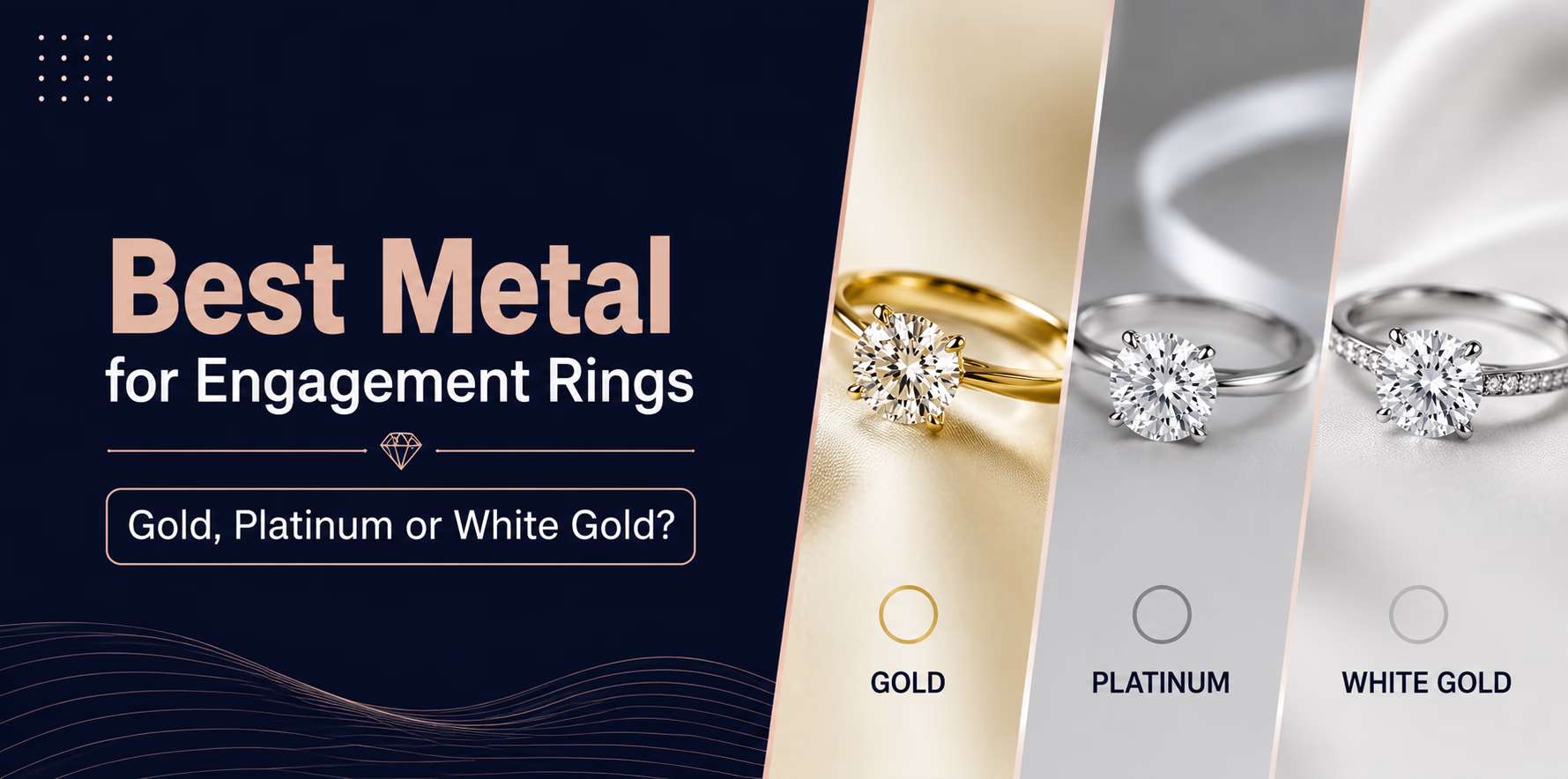
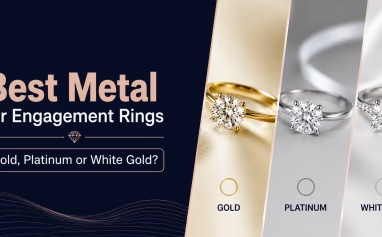
- Choosing the right metal is important because platinum, gold, and white gold have different durability, maintenance, and pricing characteristics.
- Always verify diamond certification from trusted labs like GIA or IGI before purchasing an engagement ring.
- Comparing multiple jewelers helps buyers understand pricing, craftsmanship quality, warranties, and customization options.
- Ring comfort, daily wear durability, and secure settings are just as important as appearance.
- Custom engagement rings can reduce common buying mistakes by offering better control over design, metal selection, diamond quality, and budgeting.
- Understanding what not to do when buying engagement ring jewelry helps buyers avoid overspending and long-term dissatisfaction.
Why Buyers Often Make Engagement Ring Mistakes
Many engagement ring buyers purchase a ring only once in their lifetime. Because of limited jewelry knowledge, people often rely heavily on:
- Social media trends
- Retail sales pressure
- Brand marketing
- Celebrity influence
- Emotional impulse buying
This can lead to overspending, poor diamond quality choices, uncomfortable ring settings, or unnecessary maintenance costs.
A well-informed buyer usually makes better long-term decisions regarding:
- Diamond quality
- Metal selection
- Ring durability
- Customization
- Budget allocation
- Resale and upgrade value
Common Engagement Ring Buying Mistakes to Avoid
1. Focusing Only on Diamond Size
One of the biggest engagement ring mistakes is prioritizing diamond size over overall quality. Many buyers assume a larger diamond automatically looks better, but factors like:
- Cut quality
- Sparkle
- Symmetry
- Setting design
- Proportions
often impact appearance more than carat weight alone.
A well-cut smaller diamond can appear brighter and more luxurious than a poorly cut larger stone.
2. Ignoring Diamond Cut Quality
Diamond cut is one of the most important factors affecting brilliance and sparkle. Buyers often spend heavily on carat size while overlooking cut quality.
Why cut matters:
- Better light reflection
- More sparkle
- Improved visual beauty
- Better overall appearance
Even premium diamonds may appear dull if the cut quality is poor.
Understanding Diamond Quality Basics
Most engagement ring diamonds are evaluated using the 4Cs:
- Cut
- Color
- Clarity
- Carat
The cut quality usually has the biggest visual impact on how beautiful the diamond appears.
f (Diamond Beauty) ∝ Cut Quality
3. Not Setting a Realistic Budget
Many buyers overspend due to outdated rules like spending multiple months’ salary on an engagement ring. Modern jewelry buying is far more flexible and should depend on:
- Personal finances
- Lifestyle priorities
- Customization goals
- Diamond preferences
A beautiful engagement ring does not always require luxury-brand pricing.
4. Choosing the Wrong Metal
Another common mistake is selecting ring metal based only on appearance rather than durability and maintenance.
Common engagement ring metals:
- Yellow gold
- White gold
- Rose gold
- Platinum
Each metal has different:
- Maintenance requirements
- Scratch resistance
- Weight
- Long-term durability
- Pricing
For example:
- Platinum is highly durable but expensive
- White gold requires rhodium replating
- Yellow gold offers timeless aesthetics
5. Ignoring Lifestyle & Daily Wear
Engagement rings are worn daily, so practicality matters. Buyers often choose delicate designs that may not suit active lifestyles.
Consider:
- Work environment
- Gym activity
- Hand-intensive routines
- Travel frequency
- Ring comfort
Low-profile and durable settings are usually better for long-term wear.
6. Buying Without Certification
Never buy a diamond engagement ring without proper certification.
Trusted certifications include:
- GIA
- IGI
- AGS
Certification verifies:
- Diamond authenticity
- Cut quality
- Clarity grading
- Color accuracy
- Carat weight
Lack of certification may lead to overpaying for lower-quality stones.
7. Ignoring Ring Setting Security
Many buyers focus only on the center stone while ignoring ring setting quality.
A weak setting may increase the risk of:
- Loose diamonds
- Stone damage
- Expensive repairs
Popular secure settings include:
- Prong settings
- Bezel settings
- Halo settings
- Cathedral settings
The right setting improves both appearance and durability.
8. Not Comparing Multiple Jewelers
One of the biggest engagement ring mistakes is purchasing from the first jewelry store without comparison.
Comparing multiple jewelers helps evaluate:
- Diamond pricing
- Customization quality
- Certification standards
- Making charges
- Warranty policies
- Customer service
Factory-direct jewelers and custom manufacturers often provide better value compared to luxury retail chains.
9. Overpaying for Brand Markup
Luxury jewelry brands often charge significant premiums for:
- Branding
- Store experience
- Marketing
- Packaging
In many cases, similar craftsmanship and diamond quality may be available through custom jewelry manufacturers at lower pricing.
10. Forgetting Ring Size Accuracy
Incorrect ring sizing can create long-term comfort issues.
A ring that is:
- Too tight may feel uncomfortable
- Too loose may slip off
Always confirm sizing carefully before final production, especially for custom engagement rings.
11. Following Trends Too Aggressively
Trendy engagement ring styles may not always age well.
Extremely trend-focused designs can:
- Feel outdated quickly
- Reduce timeless appeal
- Require more maintenance
Classic designs usually maintain better long-term wearability and resale value.
12. Not Considering Long-Term Maintenance
Every engagement ring requires some level of maintenance.
Common maintenance needs:
- Polishing
- Rhodium replating
- Stone tightening
- Cleaning
- Prong inspections
Buyers should understand future care costs before purchasing.
Platinum vs White Gold Mistakes
The debate around platinum vs white gold often causes confusion for engagement ring buyers.
Common mistake:
Many buyers assume platinum and white gold are identical because they look similar visually.
However:
- Platinum is naturally white and more durable
- White gold requires rhodium plating
- Platinum is heavier and more expensive
- White gold is lighter and more affordable
Understanding these differences helps buyers choose the right long-term option.
Custom Engagement Rings Reduce Buying Mistakes
Custom engagement rings often help buyers avoid many common problems because they provide:
- Better design control
- Flexible budgeting
- Metal customization
- Diamond selection freedom
- Personalized sizing
- CAD previews before production
Modern manufacturer-direct jewelry platforms like Nakassi also allow buyers to customize engagement rings with options for gold, platinum, moissanite, lab-grown diamonds, and CAD-based design approvals before manufacturing.
Pro Tips Before Buying an Engagement Ring
Buying an engagement ring is a major emotional and financial investment, which is why proper research and planning are extremely important. A few smart decisions during the buying process can help you avoid overspending, poor-quality diamonds, uncomfortable settings, and long-term maintenance issues. Whether you are purchasing a ready-made ring or designing a custom engagement ring, these expert tips can help you make a better long-term choice.
Compare at Least 3 Options
One of the biggest mistakes buyers make is purchasing the first engagement ring they see without comparing alternatives. Different jewelers may offer significant variations in:
- Diamond quality
- Certification standards
- Pricing
- Metal quality
- Customization flexibility
- Warranty coverage
Comparing multiple options helps buyers understand actual market pricing and identify better value opportunities. In many cases, factory-direct jewelers and custom manufacturers offer better pricing and customization compared to traditional luxury retail stores.
Prioritize Diamond Cut
Many buyers focus heavily on diamond size, but cut quality often has a bigger impact on overall beauty and sparkle.
Why diamond cut matters:
- Better brilliance and light reflection
- More sparkle and fire
- Improved visual appearance
- Better perceived diamond quality
A well-cut smaller diamond can often appear more luxurious than a larger poorly cut stone. If budget is limited, prioritizing cut quality over carat weight usually delivers better long-term satisfaction.
Ask for Certification
Always verify diamond authenticity before purchasing an engagement ring. Trusted certification laboratories help ensure transparency regarding:
- Diamond cut
- Clarity
- Color
- Carat weight
- Authenticity
Common trusted certifications:
- GIA
- IGI
- AGS
Buying uncertified diamonds may increase the risk of overpaying for lower-quality stones or inaccurate grading.
Review CAD Before Production
This is especially important for custom engagement rings. CAD (Computer-Aided Design) previews allow buyers to review the ring design digitally before manufacturing begins.
CAD previews help verify:
- Ring proportions
- Diamond placement
- Band thickness
- Setting structure
- Overall aesthetics
Reviewing CAD designs carefully reduces production errors and ensures the final ring matches your expectations.
Think Long-Term
Engagement rings are worn daily, so buyers should prioritize durability, comfort, and timeless appeal rather than only following temporary trends.
Consider long-term factors like:
- Daily wear comfort
- Ring durability
- Metal maintenance
- Secure stone settings
- Timeless design appeal
Classic ring styles and durable metals often age better than heavily trend-driven designs.
Understand Return Policies
Before finalizing the purchase, carefully review the jeweler’s policies regarding:
- Ring resizing
- Returns and exchanges
- Warranty coverage
- Maintenance services
- Repair policies
This is especially important for online engagement ring purchases and custom-made jewelry where modification policies may vary significantly between jewelers.
Understanding these terms in advance helps avoid confusion, unexpected costs, and post-purchase dissatisfaction.
Final Thoughts
Buying an engagement ring is both an emotional and financial investment, which is why avoiding common engagement ring mistakes is extremely important. Understanding what not to do when buying engagement ring jewelry helps buyers make smarter choices regarding diamond quality, ring durability, metal selection, customization, and long-term value.
Rather than focusing only on trends, carat size, or luxury branding, buyers should prioritize:
- Quality craftsmanship
- Diamond cut
- Comfortable daily wear
- Certification
- Secure settings
- Long-term maintenance
Whether choosing a traditional gold ring, a platinum solitaire, or a fully customized engagement ring, informed decisions usually lead to better beauty, durability, and overall satisfaction for years to come.
FAQs
What are the most common engagement ring mistakes?
Some of the most common engagement ring mistakes include focusing only on diamond size, ignoring cut quality, overspending, skipping certification, choosing the wrong metal, and not comparing multiple jewelers before purchasing.
What should I avoid when buying an engagement ring?
When buying an engagement ring, avoid purchasing without certification, ignoring long-term maintenance, following trends blindly, and prioritizing brand names over craftsmanship and diamond quality.
Is diamond cut more important than carat size?
Yes, diamond cut quality often affects sparkle and visual beauty more than carat size. A smaller well-cut diamond can appear brighter and more attractive than a larger poorly cut stone.
Why is certification important for engagement rings?
Certification verifies the authenticity and quality of the diamond, including its cut, color, clarity, and carat weight. It helps buyers avoid overpaying for lower-quality stones.
Which metal is best for engagement rings?
The best metal depends on lifestyle and budget. Platinum offers premium durability, white gold provides a modern look at lower cost, and yellow gold delivers timeless appeal.
Should I buy a custom engagement ring?
Custom engagement rings are ideal for buyers who want personalized designs, flexible budgeting, metal customization, and better control over diamond selection and ring details.
Is platinum better than white gold?
Platinum is more durable, naturally white, and hypoallergenic, while white gold is lighter and more affordable. The better option depends on maintenance preferences and budget.
How much should I spend on an engagement ring?
There is no fixed rule for engagement ring spending. Buyers should choose a budget based on personal finances, lifestyle priorities, and customization goals rather than outdated salary-based formulas.
Why should I compare multiple jewelers?
Comparing jewelers helps evaluate pricing, craftsmanship quality, diamond certification, warranties, customization flexibility, and overall value before making a final decision.
Are trendy engagement ring designs a bad idea?
Not necessarily, but overly trend-focused designs may feel outdated over time. Timeless styles often provide better long-term appeal and wearability.