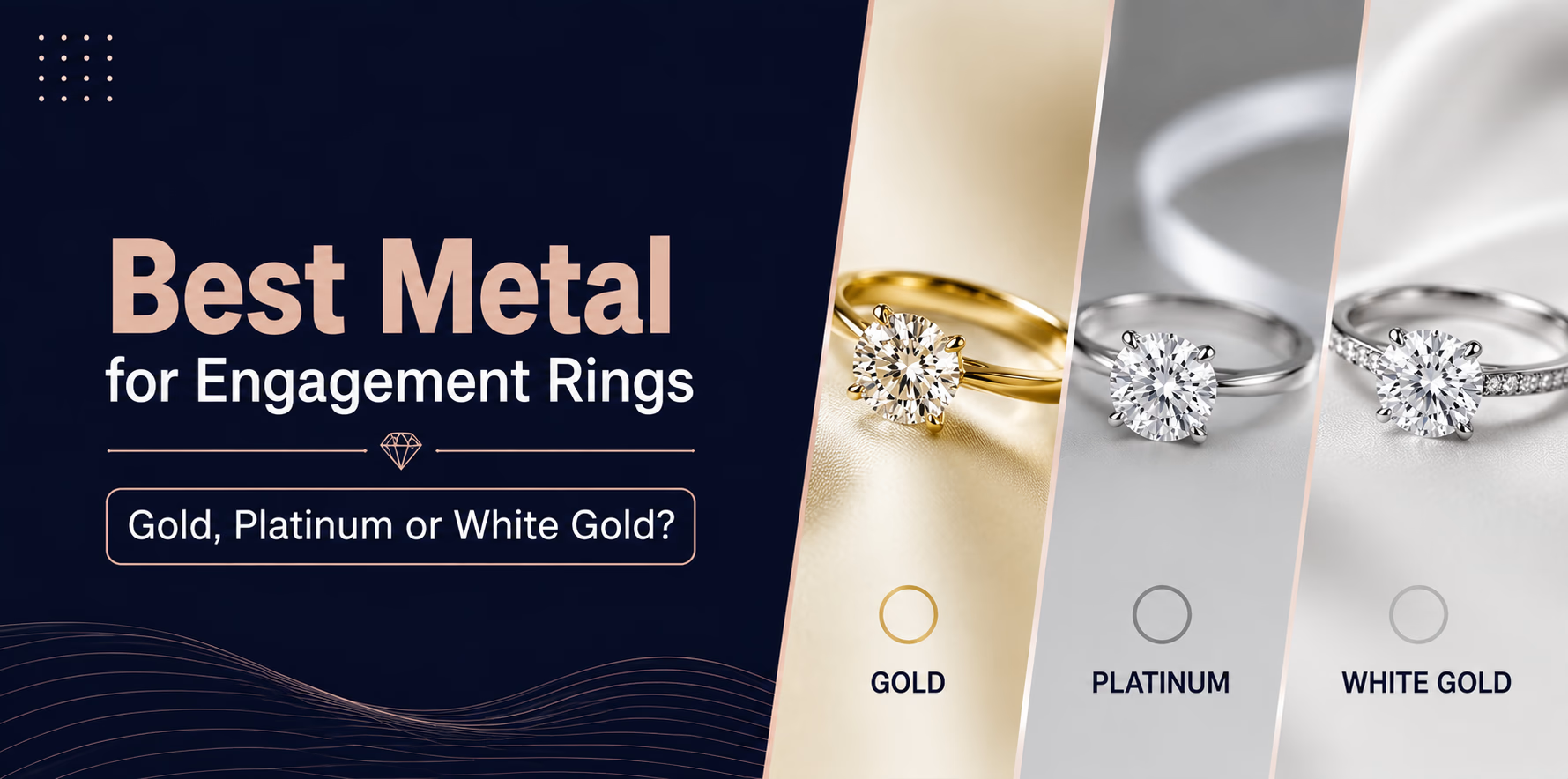
Best Metal for Engagement Rings: Gold, Platinum or White Gold?
Choosing the best metal for an engagement ring is one of the most important decisions when buying custom jewelry. The metal not only affects the ring’s appearance and durability but also influences maintenance, comfort, long-term value, and overall pricing. Among the most popular choices, gold, platinum, and white gold continue to dominate the engagement ring market because of their luxury appeal, strength, and timeless aesthetics.
Many buyers searching for the best metal for engagement ring options often compare platinum vs white gold to understand which offers better durability, shine, maintenance, and value. While yellow gold remains a classic choice, platinum and white gold have become especially popular for modern engagement ring styles and diamond settings.
Whether you are planning a minimalist solitaire ring, a vintage-inspired design, or a fully customized engagement ring, understanding the pros and cons of each metal can help you make the right long-term investment.
Key Takeaways
- Choosing the best metal for engagement ring designs depends on budget, lifestyle, durability needs, and personal style preferences.
- Gold engagement rings remain a timeless choice and are available in yellow gold, white gold, and rose gold options.
- Platinum engagement rings are highly durable, naturally white, hypoallergenic, and ideal for long-term daily wear.
- White gold engagement rings offer a platinum-like appearance at a more affordable price point.
- The comparison between platinum vs white gold mainly comes down to durability, maintenance, weight, and pricing differences.
- Platinum requires less color maintenance, while white gold may need periodic rhodium replating to maintain its shine.
- White gold is lighter and more budget-friendly, making it popular for modern engagement ring styles.
- Custom engagement rings allow buyers to personalize metal type, diamond settings, ring style, and overall design according to their preferences.
Why Metal Choice Matters in an Engagement Ring
The metal used in an engagement ring affects several important factors, including:
- Ring durability
- Daily comfort
- Diamond appearance
- Skin sensitivity
- Maintenance requirements
- Long-term wear resistance
- Customization flexibility
- Overall ring cost
Since engagement rings are worn daily, choosing the right metal is just as important as selecting the center diamond or gemstone.
Gold Engagement Rings
Gold has been one of the most traditional and popular choices for engagement rings for centuries. It is highly versatile, luxurious, and available in different shades including yellow gold, white gold, and rose gold.
Types of Gold Used in Engagement Rings
Gold engagement rings are usually available in:
- 14K Gold
- 18K Gold
- 22K Gold (less common for engagement rings)
Why 14K and 18K Gold Are Popular
14K gold contains more alloy metals, making it stronger and better suited for daily wear.
18K gold contains a higher percentage of pure gold, offering a richer color and more luxury appeal.
Pros of Gold Engagement Rings
Classic & Timeless Appeal
Gold engagement rings never go out of style and work beautifully with both modern and vintage designs.
Multiple Color Options
Buyers can choose:
- Yellow gold
- White gold
- Rose gold
This flexibility makes gold highly customizable.
Easier Customization
Gold is easier for jewelers to resize, engrave, and customize compared to some harder metals.
Better Price Flexibility
Gold engagement rings are generally available across a wider price range depending on purity and design complexity.
Cons of Gold Engagement Rings
Softer Than Platinum
Gold is slightly softer and may scratch more easily over time.
Requires Maintenance
White gold, especially, may require periodic rhodium plating to maintain its bright white finish.
Platinum Engagement Rings
Platinum is considered one of the most premium metals for engagement rings due to its durability, rarity, and naturally white appearance.
Many luxury engagement rings use platinum because of its strength and long-term durability.
Pros of Platinum Engagement Rings
Extremely Durable
Platinum is one of the strongest jewelry metals available, making it ideal for everyday wear.
Naturally White Metal
Unlike white gold, platinum does not require rhodium plating to maintain its white color.
Hypoallergenic
Platinum is highly suitable for sensitive skin because it contains very pure metal content.
Better Stone Security
Its strength makes platinum excellent for securely holding diamonds and gemstones.
Premium Luxury Appeal
Platinum engagement rings are often associated with luxury, exclusivity, and high-end craftsmanship.
Cons of Platinum Engagement Rings
Higher Cost
Platinum is significantly more expensive than gold or white gold because of its rarity and density.
Heavier Weight
Some buyers may find platinum rings heavier on the finger compared to gold.
Develops Patina
Over time, platinum develops a soft matte-like finish called patina, which some buyers love while others may prefer polished shine.
White Gold Engagement Rings
White gold is one of the most popular modern choices for engagement rings because it offers a platinum-like appearance at a more affordable price.
White gold is created by mixing yellow gold with white alloy metals and coating it with rhodium plating for extra brightness.
Platinum vs White Gold
The debate around platinum vs white gold is extremely common among engagement ring buyers because both metals look visually similar but perform differently over time.
| Feature | Platinum | White Gold |
| Color | Naturally white | Rhodium-plated white |
| Durability | Extremely durable | Durable but lighter |
| Maintenance | Low maintenance | Requires rhodium replating |
| Weight | Heavier | Lighter |
| Price | More expensive | More affordable |
| Hypoallergenic | Yes | Depends on alloy metals |
| Luxury Appeal | Premium luxury | Modern luxury |
Pros of White Gold Engagement Rings
More Affordable Than Platinum
White gold offers a luxurious white-metal appearance without the premium platinum pricing.
Modern & Elegant Appearance
It pairs beautifully with diamonds and modern engagement ring styles.
Lightweight Comfort
White gold feels lighter and more comfortable for many daily wear users.
Popular for Contemporary Designs
Many modern solitaire and halo engagement rings use white gold settings.
Cons of White Gold Engagement Rings
Requires Rhodium Plating
White gold may gradually lose brightness and require replating every few years.
Slightly Less Durable Than Platinum
Although durable, it does not offer the same long-term wear resistance as platinum.
Which Metal Is Best for Engagement Rings?
The answer depends on your:
- Budget
- Lifestyle
- Design preference
- Maintenance expectations
- Skin sensitivity
- Long-term wear needs
Choose Gold If:
Gold remains one of the most timeless and versatile choices for engagement rings. It has been used in fine jewelry for centuries and continues to be highly preferred for both traditional and modern ring styles. Gold engagement rings are available in yellow gold, white gold, and rose gold, making them highly customizable for different aesthetics and fashion preferences.
You should choose gold if:
- You prefer classic luxury aesthetics
Yellow gold engagement rings offer a rich and timeless appearance that has remained popular across generations. They work especially well with vintage-inspired and heirloom-style ring designs.
- You want multiple color choices
Gold offers flexibility through yellow gold, white gold, and rose gold variations. This allows buyers to match their engagement ring with personal style, skin tone, or existing jewelry collections.
- You need better pricing flexibility
Gold engagement rings are generally available across a wider price range depending on purity and design complexity. Buyers can choose between 14K and 18K gold based on durability and budget.
- You prefer traditional engagement ring styles
Gold is often associated with classic engagement rings and bridal jewelry. It is especially popular for solitaire rings, vintage settings, and traditional wedding jewelry aesthetics.
- You want easier customization options
Gold is relatively easier for jewelers to resize, engrave, and customize compared to harder metals. This makes it highly suitable for personalized engagement ring designs.
Choose Platinum If:
Platinum is widely considered one of the most premium metals for engagement rings because of its exceptional durability, naturally white appearance, and luxury appeal. It is especially preferred for high-value engagement rings and diamond-heavy settings.
You should choose platinum if:
- You want maximum durability
Platinum is one of the strongest jewelry metals available and is highly resistant to wear. This makes it ideal for engagement rings worn daily over many years.
- You prefer premium luxury jewelry
Platinum is often associated with luxury, exclusivity, and high-end craftsmanship. Many premium engagement rings and luxury bridal collections use platinum settings.
- You have sensitive skin
Platinum is naturally hypoallergenic and contains a high percentage of pure metal. It is an excellent option for people who experience irritation from alloy metals.
- You want low-maintenance white metal
Unlike white gold, platinum does not require rhodium plating to maintain its white appearance. It naturally retains its color over time.
- You need better diamond security
Platinum’s strength makes it highly effective for securely holding diamonds and gemstones in place, especially for larger center stones.
- You prefer long-term investment value
Due to its rarity and durability, platinum is often viewed as a premium long-term investment in fine jewelry.
Choose White Gold If:
White gold has become one of the most popular modern choices for engagement rings because it offers a bright white appearance similar to platinum while remaining more budget-friendly.
You should choose white gold if:
- You want a platinum-like look at lower cost
White gold provides a luxurious white-metal appearance similar to platinum but at a more affordable price point.
- You prefer modern engagement ring aesthetics
White gold pairs beautifully with diamonds and is highly popular in modern solitaire, halo, and minimalist engagement ring designs.
- You want lightweight comfort
White gold engagement rings are generally lighter than platinum, making them more comfortable for many people during everyday wear.
- You are comfortable with occasional maintenance
White gold usually requires rhodium replating after a few years to maintain its bright white shine. Buyers comfortable with periodic maintenance often prefer this option.
- You want better affordability for larger designs
Since white gold is less expensive than platinum, buyers can often allocate more budget toward larger diamonds or more intricate ring settings.
- You prefer contemporary luxury styling
White gold is highly favored in contemporary jewelry trends because of its sleek, elegant, and sophisticated appearance.
Best Metal for Different Engagement Ring Styles
| Ring Style | Recommended Metal |
| Solitaire Ring | Platinum / White Gold |
| Vintage Ring | Yellow Gold |
| Halo Ring | White Gold |
| Minimalist Ring | Platinum |
| Rose Gold Aesthetic | Rose Gold |
| Heavy Diamond Ring | Platinum |
| Budget-Friendly Luxury | White Gold |
Custom Engagement Rings & Metal Selection
When designing a custom engagement ring, the metal choice becomes even more important because it affects:
- Ring structure
- Diamond setting security
- Final appearance
- Long-term maintenance
- Custom engraving options
Many modern buyers now prefer custom engagement rings because they allow complete flexibility in:
- Metal selection
- Stone shape
- Diamond size
- Ring setting
- Personalized detailing
Manufacturer-direct jewelry platforms like Nakassi also offer custom engagement ring services with options for gold, platinum, white gold, moissanite, lab-grown diamonds, and CAD-based customization support.
Final Thoughts
Choosing the best metal for an engagement ring ultimately depends on your personal style, lifestyle, and budget. Gold offers timeless versatility, platinum delivers premium durability and luxury, while white gold provides a modern appearance at a more accessible price point.
For buyers comparing platinum vs white gold, platinum is ideal for long-term durability and luxury, while white gold is perfect for achieving a similar elegant look with lower upfront cost.
Before finalizing your engagement ring, always consider:
- Daily wear habits
- Maintenance requirements
- Skin sensitivity
- Long-term comfort
- Budget flexibility
- Overall design preference
The right metal will not only enhance your engagement ring’s beauty but also ensure it remains meaningful and durable for years to come.
FAQs
What is the best metal for an engagement ring?
The best metal for an engagement ring depends on your lifestyle, budget, and design preference. Platinum is ideal for durability and luxury, while white gold offers a modern look at a lower price. Yellow gold remains a timeless classic.
Is platinum better than white gold for engagement rings?
Platinum is generally more durable, naturally white, and hypoallergenic compared to white gold. However, white gold is more affordable and lighter, making it a popular alternative for modern engagement rings.
Does white gold require maintenance?
Yes, white gold engagement rings usually require rhodium replating every few years to maintain their bright white appearance and shine.
Why is platinum more expensive than white gold?
Platinum is rarer, denser, and heavier than white gold. It also contains a higher percentage of pure metal, which increases its overall cost and luxury value.
Which metal is best for sensitive skin?
Platinum is often considered the best option for sensitive skin because it is naturally hypoallergenic and contains very pure metal content.
Is gold good for daily wear engagement rings?
Yes, 14K and 18K gold are commonly used for daily wear engagement rings. They provide a good balance between durability, beauty, and customization flexibility.
What is the most durable metal for engagement rings?
Platinum is considered one of the most durable metals for engagement rings because of its strength and ability to securely hold diamonds and gemstones.
Which engagement ring metal looks most luxurious?
Platinum is often associated with premium luxury due to its rarity, durability, and naturally white appearance. However, white gold and high-quality yellow gold also offer luxurious aesthetics.
Can I customize an engagement ring metal?
Yes, custom engagement rings allow buyers to choose from metals like platinum, yellow gold, white gold, and rose gold based on style, comfort, and budget preferences.
Which is more affordable: platinum or white gold?
White gold is generally more affordable than platinum while offering a similar white-metal appearance, making it a popular budget-friendly luxury option.