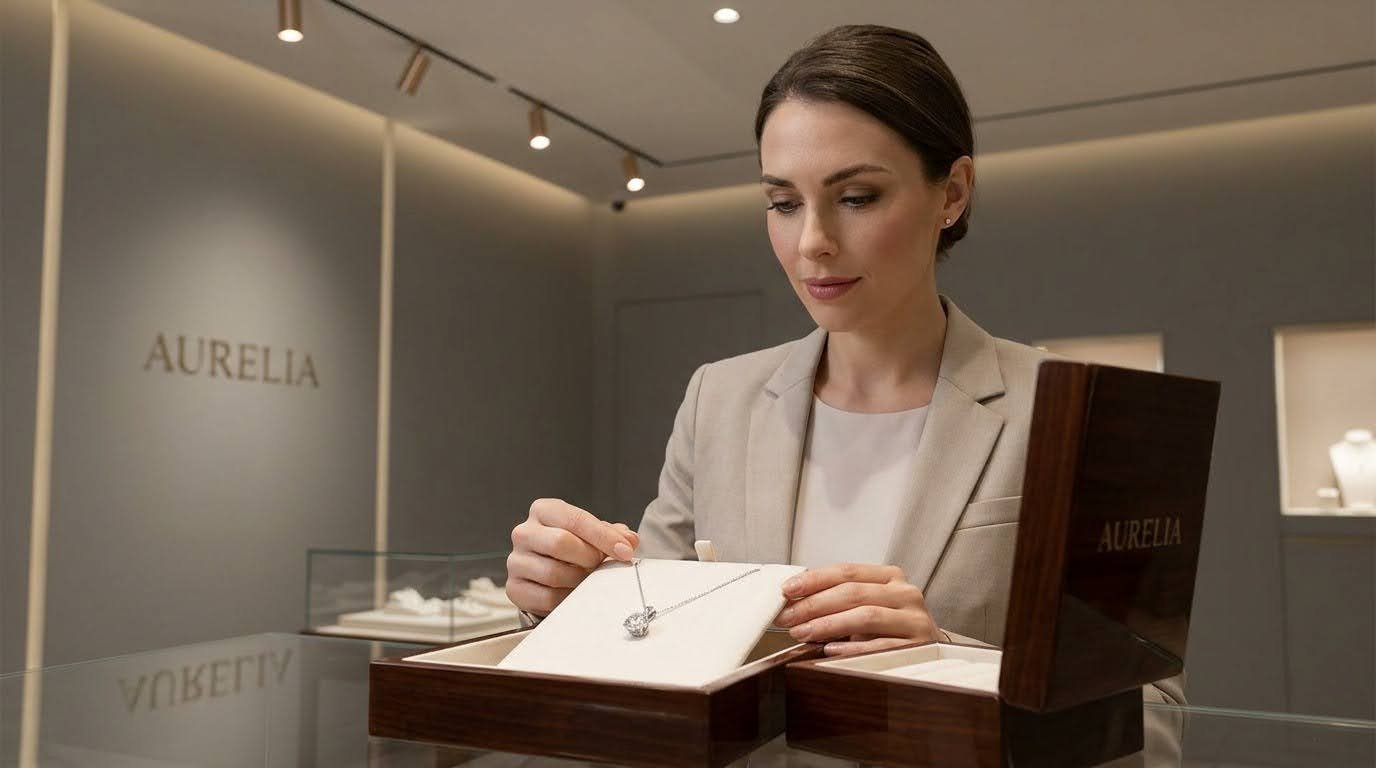
What is Branded Jewelry vs Manufacturer Jewelry? How to Choose What’s Worth It?
Imagine owning a gold chain or diamond ring without worrying about showroom visits, premium packaging, or paying extra for brand endorsements—and still getting the same level of craftsmanship. In today’s jewelry market, that is no longer just an idea but a growing reality.
Branded jewelry typically costs 20% to 60% more than manufacturer-direct jewelry. This price difference exists because branded products include multiple additional layers such as marketing, retail operations, and brand positioning. For many buyers, this premium is justified by trust and convenience. However, for others, it raises an important question: are you paying for jewelry or for the brand?
The pricing gap is significant. At the same time, so are the trade-offs. Branded jewelry offers consistency, easy access, and assurance, while manufacturer jewelry focuses on cost efficiency, customization, and direct sourcing.
This guide covers how both models work, what they cost, how pricing is structured, and what to check before choosing between branded and manufacturer jewelry.
What is Branded Jewelry?
Branded jewelry refers to pieces that are sold under a recognized brand name through exclusive stores, online platforms, or franchise outlets. These brands focus on delivering a consistent experience across locations, maintaining uniform quality standards, and building long-term customer trust.
When you purchase branded jewelry, you receive more than just the product. The buying experience includes professionally designed showrooms, trained staff, premium packaging, and after-sales services such as cleaning, repair, and exchange policies. These elements contribute to the overall perception of value.
However, it is important to understand that a portion of what you pay goes toward these additional services rather than the intrinsic value of the jewelry itself.
What is Manufacturer Jewelry?
Manufacturer jewelry is produced and sold directly by the maker or through platforms that connect buyers with manufacturers. This model removes intermediaries such as distributors and retailers, allowing buyers to access jewelry closer to its actual production cost.
In this setup, the focus shifts from brand perception to product value. Buyers primarily pay for the gold, diamonds, craftsmanship, and customization rather than marketing or retail overhead.
This approach is particularly attractive for those who want better pricing transparency or personalized designs. However, it also requires buyers to verify the credibility of the seller and ensure quality standards are met.
How Much Do Branded and Manufacturer Jewelry Cost?
Jewelry pricing varies depending on design, materials, and seller type. However, the difference between branded and manufacturer jewelry lies in how the final price is built.
On average, branded jewelry includes additional markups that can significantly increase the total cost. Manufacturer jewelry, on the other hand, tends to offer more competitive pricing due to fewer added layers.
While the base gold rate or diamond cost remains consistent across the market, the final price paid by the customer can vary widely depending on these additional factors.
What factors affect jewelry pricing?
Several elements influence the final price of jewelry, regardless of where it is purchased.
Material cost is the primary factor and depends on the weight and purity of gold or the quality of diamonds. Making charges are another major component, reflecting the complexity of design and craftsmanship involved.
Retail overheads such as showroom rent, staff salaries, and logistics contribute significantly to branded jewelry pricing. Marketing and advertising expenses further increase the cost.
In contrast, manufacturer jewelry reduces or eliminates many of these additional expenses, resulting in a lower overall price.
True Cost of Owning Jewelry
The purchase price is only part of what you pay. The actual cost of owning jewelry includes multiple components that extend beyond the initial transaction.
1. Base Material Cost
This is calculated based on the weight and current market rate of gold or diamonds. It forms the foundation of the total price and is the primary component considered during resale.
2. Making Charges
Making charges can vary widely depending on the complexity of the design, craftsmanship involved, and whether the piece is handmade or machine-produced. These charges are often non-recoverable during resale.
3. Taxes
In India, a standard GST of 3% is applied to gold jewelry, which adds to the overall purchase cost. While relatively small, it still contributes to the final expense.
4. Brand Markup
For branded jewelry, a significant portion of the cost comes from brand positioning, marketing, and retail operations. This markup does not contribute to the intrinsic value of the jewelry.
5. Customization Costs
Custom-designed jewelry may include additional costs for design consultation, prototyping, and specialized production processes.
6. Resale Value Loss
When selling jewelry, buyers typically recover value based only on gold weight and purity. Making charges, brand premiums, and taxes are usually not recovered, resulting in a lower return compared to the original purchase price.
Are Branded or Manufacturer Jewelry a Good Investment?
Jewelry can function as both a personal accessory and a financial asset. However, its investment potential depends on how it is purchased and valued over time.
Do Branded Jewelry Appreciate in Value?
Branded jewelry does not typically appreciate more than manufacturer jewelry. The resale value is primarily determined by gold weight, purity, and current market rates rather than brand identity.
Even though branded jewelry may carry emotional or aesthetic appeal, this does not significantly translate into financial returns during resale. Buyers often realize that the premium paid for branding does not contribute to long-term value.
Value Retention Potential
Jewelry purchased closer to its intrinsic value tends to retain more of its worth. Manufacturer jewelry often performs better in this regard because it avoids excessive markups at the time of purchase.
Buyers should focus on net value rather than perceived brand prestige when considering jewelry as an investment.
Branded vs Manufacturer Jewelry: Strong vs Risky Factors
| Factors | Strong (Branded) | Strong (Manufacturer) | Risky |
| Pricing | Fixed, transparent | Lower cost | Hidden markup |
| Quality | Consistent | Comparable | Unverified sellers |
| Customization | Limited | High | Design mismatch |
| Trust | High brand recall | Depends on source | Unknown vendors |
| Value | Lower retention | Higher retention | Overpaying |
How Do You Buy Jewelry: Step-by-Step Process
Buying jewelry requires a structured and informed approach because it is not just a regular purchase—it involves high value, long-term ownership, and resale considerations. A small mistake in the process can lead to unnecessary costs, poor quality, or lower value retention later. Following a clear step-by-step method helps you make a smarter and more confident decision.
Step 1: Set a Budget
Start by defining a clear budget based on your financial capacity. This should not only include the base price of gold or diamonds but also making charges, taxes (like GST), and any customization costs.
Many buyers only consider the visible price and ignore additional charges, which later increases the total cost significantly. A well-planned budget ensures your purchase does not affect your savings or essential financial goals while keeping your spending under control.
Step 2: Choose Buying Model
Next, decide your buying model—branded jewelry or manufacturer-direct jewelry.
Branded jewelry offers trust, structured service, and a premium buying experience, making it suitable for buyers who value convenience and assurance. Manufacturer jewelry focuses more on pricing transparency, customization, and better value, as it removes multiple intermediaries.
Your choice should depend on whether you prioritize brand experience or cost efficiency and flexibility.
Step 3: Compare Pricing
Before finalizing a purchase, compare prices from multiple sellers. Jewelry pricing can vary even for similar designs due to differences in making charges, brand markup, and overhead costs.
Instead of focusing only on the final price, break it down into gold value, making charges, taxes, and additional fees. This helps you understand the real cost structure and avoid overpaying for similar quality.
Step 4: Verify Certification
Certification is essential for ensuring authenticity and long-term value.
For gold jewelry, always check BIS hallmark certification, which confirms purity standards. For diamonds and gemstones, ensure proper grading certificates from recognized authorities.
This step protects your investment and ensures better resale value in the future.
Step 5: Inspect Design
After verification, closely inspect the design and craftsmanship. Check finishing quality, smooth edges, durability, and overall comfort.
Jewelry should not only look good but also be practical for daily or occasional wear. Poor craftsmanship can affect both appearance and longevity, especially in frequently used items like rings, chains, or bangles.
Step 6: Finalize Purchase
Before completing the purchase, review all invoice details carefully, including weight, purity, making charges, taxes, and final price breakdown.
Also check return policies, exchange options, warranty terms, and after-sales services. Make sure all promises made during the buying process are clearly written in the invoice.
Once everything is verified, you can confidently finalize your purchase knowing you’ve made a well-informed decision.
Which Type of Jewelry Buying Option Is Right for You?
1. Luxury Branded Jewelry
Best suited for buyers who prioritize premium experience, brand identity, and convenience.
Trade-off: Higher cost due to brand markup.
2. Mid-Range Branded Jewelry
Offers a balance between affordability and brand trust.
Trade-off: Limited customization options.
3. Manufacturer-Direct Jewelry
Ideal for buyers seeking better pricing and value for money.
Trade-off: Requires research and verification.
4. Custom Jewelry
Best for those who want personalized designs tailored to specific preferences.
Trade-off: Longer production time and design coordination.
Branded vs Manufacturer vs Wholesale Jewelry
| Feature | Branded | Manufacturer | Wholesale |
| Pricing | High | Moderate | Lowest |
| Customization | Low | High | Limited |
| Trust | High | Medium | Low |
| Availability | Easy | Moderate | Limited |
Pros and Cons of Buying Jewelry
PROS
- Branded jewelry offers trust, convenience, and a structured buying experience, making it ideal for those who prioritize ease and reliability.
- Manufacturer jewelry provides better pricing, transparency, and customization, making it a strong choice for value-conscious buyers.
CONS
- Branded jewelry includes significant markup, which reduces overall value efficiency.
- Manufacturer jewelry requires careful research and verification to ensure quality and authenticity.
How Does Jewelry Ownership Work?
When you purchase jewelry, ownership is straightforward—you receive the product along with certification and invoice. However, understanding pricing layers and resale implications is essential.
Unlike branded jewelry, manufacturer-direct purchases emphasize transparency, allowing buyers to understand exactly what they are paying for.
Is Buying Jewelry Worth It?
For buyers who prioritize convenience, brand trust, and a premium shopping experience, branded jewelry can be a suitable choice despite the higher cost.
However, for those who focus on value, customization, and long-term financial efficiency, manufacturer jewelry often delivers better outcomes by offering similar quality at a lower price.
Buy Smart Jewelry Today
The jewelry market is shifting toward transparency and value-driven purchasing. Manufacturer-direct models are becoming more popular as they offer better pricing and customization options.
Nakassi represents this shift by providing direct access to high-quality jewelry without unnecessary markup, helping buyers make smarter purchasing decisions.
FAQs
Do branded jewelry have better quality?
Quality depends on craftsmanship and materials rather than branding. Both options can offer similar quality if sourced correctly.
Why is branded jewelry expensive?
Due to marketing, showroom costs, staff, and brand positioning expenses included in the price.
Is manufacturer jewelry reliable?
Yes, provided it is purchased from a verified and trusted manufacturer with proper certifications.
Which is better for investment?
Manufacturer jewelry generally offers better value retention due to lower initial cost.
Can I customize jewelry?
Yes, customization is significantly easier and more flexible with manufacturer-direct jewelry.