How To Get Custom Jewelry in France
Custom jewelry in France is deeply influenced by craftsmanship culture, luxury design heritage, and strict quality standards such as hallmarking and material certification. Unlike mass-market jewelry, the French market places strong importance on artistry, authenticity, and refined aesthetics.
From Paris to Lyon, Marseille, and Bordeaux, consumers are increasingly moving toward personalized jewelry that reflects individuality while still maintaining European standards of quality, ethics, and transparency.
Whether you are designing a fine gold ring, engagement piece, pendant, or bracelet, understanding how the French custom jewelry process works is essential to avoid overpaying and ensure high-quality craftsmanship.
This guide breaks down everything you need to know about getting custom jewelry in France—from pricing structure and design process to sourcing and certification.
Key Takeaways
- Custom jewelry in France emphasizes craftsmanship, design quality, and certified materials.
- Independent ateliers and manufacturer-direct sourcing offer better pricing transparency than luxury retail brands.
- Hallmarking and certification are strictly followed and essential for authenticity.
- CAD design and prototype approval are standard steps before production.
- Pricing is influenced by gold weight, craftsmanship, and design complexity rather than branding alone.
- The market is shifting toward personalized, sustainable, and value-focused jewelry creation.
Understanding Custom Jewelry in France
Custom jewelry in France refers to bespoke pieces designed in collaboration with jewelers or ateliers, where every detail is tailored to the buyer’s preference instead of selecting from ready-made collections.
Typical customization options include:
- Design personalization (French minimalist, vintage, haute couture-inspired styles)
In France, design plays a central role in custom jewelry. Buyers often choose refined French minimalist styles, elegant vintage influences, or haute couture-inspired designs that reflect Parisian luxury aesthetics and craftsmanship traditions.
- Metal selection (18K gold, 14K gold, platinum, silver)
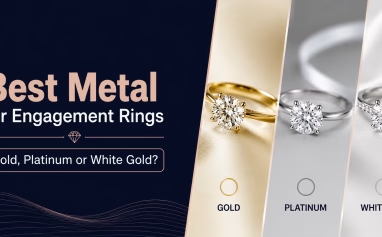
Metal choice impacts both appearance and durability. In France, 18K gold is the most commonly used standard for fine jewelry, while platinum is preferred for premium, long-lasting pieces. Silver and 14K gold are used for more affordable or lightweight designs.
- Stone selection (diamonds, colored gemstones, lab-grown diamonds)
Customers can select from natural diamonds, colored gemstones like sapphire or emerald, or lab-grown diamonds. Each option varies in price, sustainability, and visual appeal, allowing full control over the final design.
- Size, weight, and finishing preferences
Customization includes precise control over ring sizing, chain length, total weight, and finishing style. Popular finishes in France include polished luxury shine, matte elegance, and textured artisanal detailing.
French jewelry culture strongly values craftsmanship, meaning even custom pieces are expected to maintain artistic and technical precision.
How Much Does Custom Jewelry Cost in France?
Pricing in France is highly craftsmanship-driven, especially in independent ateliers and luxury-focused studios.
Key Cost Components
- Gold weight → Direct impact on base price
The total cost of jewelry in France is primarily driven by gold weight, as pricing is calculated per gram. Higher weight directly increases the base material cost.
- Gold purity → 18K is standard in France for fine jewelry
In France, 18K gold is the most commonly used standard for fine jewelry, offering a strong balance between purity, durability, and premium appearance.
- Diamond quality → 4Cs and certification affect valuation
Diamonds are evaluated based on the 4Cs (cut, clarity, color, carat), and certified stones from recognized labs significantly influence final pricing and trust.
- Design complexity → Intricate detailing increases labor cost
More detailed and artistic designs require additional craftsmanship time, increasing production effort and overall labor cost in custom jewelry.
- Making charges → Skilled artisan craftsmanship cost
This covers the cost of expert labor involved in designing, shaping, and finishing the jewelry, and it varies depending on the jeweler and design difficulty.
- VAT (TVA) and taxes → Final price addition in France
VAT (TVA) and applicable taxes are added at the final stage, impacting the total cost and making tax compliance an important part of jewelry pricing in France.
Price Variation Insight
- Luxury brands include high branding and retail premiums
In France, luxury jewelry brands often price pieces significantly higher due to brand heritage, marketing, boutique experience, and exclusivity. A large portion of the cost reflects branding rather than just materials or craftsmanship.
- Independent ateliers offer more transparent pricing structures
Independent jewelers and ateliers typically provide clearer breakdowns of material cost, making charges, and design work. This makes it easier for buyers to understand what they are actually paying for.
- Manufacturer-direct sourcing provides cost efficiency
Working directly with manufacturers removes retail layers and distributor margins, resulting in more efficient pricing and better value for the same level of material and craftsmanship.
- Custom optimization helps balance design and budget
Adjusting factors like gold weight, stone selection, and design complexity allows buyers to control overall cost while still achieving a personalized and high-quality jewelry piece.
Material & Quality Standards in France
France has one of the strictest jewelry quality systems in Europe.
Metal Guide
- 14K gold → Durable, cost-efficient, suitable for daily wear
Contains a higher proportion of alloy metals, making it stronger, more scratch-resistant, and more affordable. It is ideal for everyday jewelry where durability matters more than maximum purity.
- 18K gold → Standard luxury gold in France, premium appearance
The most commonly used gold standard in France for fine jewelry. It offers a strong balance between purity and durability, with a rich, warm color that reflects a luxury finish.
- Platinum → High-end, durable, and naturally white metal
A premium metal known for its strength, rarity, and natural white shine. It is highly durable, hypoallergenic, and retains its appearance over time with minimal maintenance.
Authenticity Check
- Always verify French hallmarking (poinçon system)
In France, hallmarking (poinçon) is a legal requirement for precious metals. It confirms metal purity and authenticity, ensuring the jewelry meets official French standards for gold, silver, or platinum.
- Request full material breakdown before production
Always ask for a detailed specification sheet that includes metal weight, purity, stone details, and making charges. This ensures complete transparency and avoids unexpected costs during or after production.
- Ensure diamond certification if stones are included
If diamonds are part of the design, request certification from recognized laboratories such as GIA or IGI. This verifies quality parameters like cut, clarity, color, and carat, ensuring authenticity and fair valuation.
Certification
- Gold: French hallmark certification (legally regulated)
In France, gold jewelry must carry an official hallmark (poinçon), which is legally regulated. This certification verifies the metal’s purity and ensures compliance with national quality standards, protecting buyers from misrepresentation.
- Diamonds: GIA, IGI, or equivalent international certification
Diamonds are authenticated through globally recognized grading labs such as GIA or IGI. These certificates assess the 4Cs—cut, clarity, color, and carat—ensuring transparency, consistent valuation, and trust in both purchase and resale.
Retail vs Independent Custom Jewelry in France
Luxury Retail Jewelry
- High brand-driven pricing
Luxury jewelry brands in France often include significant premiums linked to brand heritage, marketing, and exclusivity, making the final price much higher than the actual material and craftsmanship value.
- Premium boutique experience
Buyers receive a highly curated in-store experience, including personalized consultation, luxury packaging, and after-sales service, which adds value but also increases overall pricing.
- Limited full customization
Most luxury brands offer customization only within predefined design frameworks, meaning full from-scratch personalization is often restricted.
- Strong emphasis on branding and heritage
Pricing and positioning are heavily influenced by brand history, craftsmanship legacy, and reputation, which play a major role in perceived value beyond material costs.
Independent Atelier / Manufacturer Model
- Transparent pricing structure
Independent ateliers and manufacturer-direct channels in France typically provide clear breakdowns of costs, including material value, craftsmanship charges, and additional expenses, making pricing easier to understand.
- High customization flexibility
Buyers can fully personalize designs—from concept and structure to metal, stones, and finishing—without being restricted to predefined retail templates.
- Better cost control
By adjusting elements such as gold weight, design complexity, and stone selection, customers can manage and optimize their budget more effectively.
- Requires verification of artisan credibility
Since these options are less brand-regulated, it is important to check certifications, past work, reviews, and expertise of the jeweler or atelier to ensure quality and reliability.
Independent ateliers are highly popular in France due to strong craftsmanship culture.
Online vs Offline Custom Jewelry Buying in France
Online Buying
- Wider access to design inspiration
You can explore more ideas from online platforms, designers, social media, and portfolios, helping you better visualize and decide how your custom jewelry should look.
- Easier price comparison
You can quickly compare pricing across multiple jewelers, ateliers, or manufacturers to understand differences in material cost, making charges, and overall value before making a decision.
- Direct communication with designers
Instead of going through sales agents or middlemen, you can directly discuss your ideas with the actual designer or jeweler, leading to clearer understanding and better customization.
- Better transparency in cost breakdown
You receive a clear explanation of pricing, including metal value, craftsmanship charges, and additional costs, so you know exactly what you are paying for without hidden charges.
Offline Buying (Ateliers & Boutiques)
- Physical consultation with artisans
Buyers can meet jewelers or craftsmen in person, discuss design ideas directly, and better communicate expectations for custom jewelry.
- Ability to inspect craftsmanship quality
You can physically see the jewelry, evaluate finishing, detailing, weight, and overall workmanship before finalizing or purchasing the piece.
- Higher pricing due to studio overheads
Atelier or boutique-based jewelry often includes additional costs like studio rent, staff, tools, and premium service, which increases the final price.
- Limited scalability in design revisions
Since pieces are handcrafted and customized, making multiple changes or large-scale revisions can take more time and may be restricted compared to digital or manufacturer-direct workflows.
Design Options in Custom Jewelry
Types of Jewelry
- Engagement rings
- Wedding bands
- Bracelets
- Necklaces and pendants
Style Choices
- French minimalist
- Art deco inspired
- Vintage luxury
- Modern elegance
Weight Consideration
- Lightweight → Modern, practical, affordable
- Heavyweight → Premium, traditional, higher value
Step-by-Step Process to Get Custom Jewelry in France
Step-by-Step Method
- Define purpose (daily wear, engagement, investment)
Start by identifying the purpose of your jewelry. Daily wear pieces should prioritize comfort and durability, engagement jewelry should focus on design and emotional value, while investment pieces should emphasize gold weight and purity.
- Set budget including VAT and craftsmanship costs
Establish a complete budget that includes material cost, artisan craftsmanship charges, and VAT (TVA in France). This ensures realistic planning and avoids unexpected final pricing.
- Choose metal type and purity (typically 18K in France)
Select the appropriate metal based on usage and preference. In France, 18K gold is the standard for fine jewelry, while platinum is preferred for premium and long-lasting pieces.
- Finalize design concept or inspiration reference
Clearly define your design direction by sharing sketches or inspiration images. This helps the jeweler or atelier understand your vision before CAD development begins.
- Review CAD 3D design with jeweler or atelier
Carefully examine the digital 3D model to check proportions, structure, stone placement, and overall design accuracy before production starts.
- Approve wax or prototype model if provided
If a physical wax model is created, evaluate its real-world size, comfort, and appearance to ensure the design works practically.
- Confirm detailed pricing breakdown
Request a full cost breakdown covering metal value, making charges, design complexity, and taxes to ensure complete transparency.
- Verify French hallmark and certification
Ensure the jewelry carries official French hallmarking (poinçon) and diamond certification (if applicable) to confirm authenticity and legal compliance.
- Place order and track production process
Once approved, place the order and stay updated on production stages, including crafting, stone setting, and finishing.
- Inspect final jewelry on delivery
Carefully check the finished piece against the approved CAD design, ensuring quality, detailing, and certification accuracy before final acceptance.
Custom Jewelry Buying Checklist
- Transparent pricing breakdown is provided
The jeweler shares a clear cost structure that includes metal value, craftsmanship charges, stone costs, and taxes (VAT), ensuring there are no hidden fees.
- Making charges reflect real craftsmanship effort
Labor costs are justified based on actual design complexity and artisan skill involved, rather than inflated pricing due to branding or overhead.
- Hallmark certification is verified
The jewelry carries official French hallmarking (poinçon), confirming legal purity standards for gold, silver, or platinum.
- Artisan or jeweler credibility is established
The buyer confirms the reputation, experience, and past work of the atelier or jeweler through reviews, certifications, or portfolio checks.
- CAD design matches final product
The finished jewelry accurately reflects the approved 3D CAD model in terms of design, structure, proportions, and detailing.
- Clear return or repair policy is available
The seller provides transparent terms for resizing, repairs, or returns, ensuring post-purchase support and buyer confidence.
Common Mistakes to Avoid
- Overpaying for luxury branding instead of material value
Buyers often end up paying a premium for brand name, heritage, and boutique experience rather than the actual gold, stones, or craftsmanship value.
- Ignoring detailed making charges
Not reviewing craftsmanship fees carefully can lead to unexpected cost increases, especially for intricate or custom-designed pieces where labor varies significantly.
- Not comparing ateliers or manufacturers
Failing to compare multiple jewelers or ateliers can result in missing better pricing, higher craftsmanship quality, or more transparent cost structures.
- Choosing aesthetics over durability
Focusing only on appearance without considering strength and practicality can lead to jewelry that wears out quickly or requires frequent repairs.
- Skipping hallmark or certification verification
Not checking official hallmarking (poinçon in France) or diamond certifications can risk authenticity issues and reduce long-term value and trust in the purchase.
Why Custom Jewelry Is Growing in France
- Strong cultural value for personalization and artistry
In markets like France, jewelry is deeply connected to art and identity, leading buyers to prefer unique, handcrafted pieces that reflect personal style and storytelling rather than mass-produced designs.
- Increasing demand for ethical and sustainable sourcing
Consumers are more conscious of environmental and social impact, driving demand for responsibly sourced metals, recycled gold, and ethically mined or lab-grown stones.
- Growth of independent jewelry ateliers
Small artisan workshops are becoming more popular as they offer greater customization, craftsmanship-focused production, and more transparent pricing compared to large luxury brands.
- Digital influence on design inspiration
Platforms like Instagram, Pinterest, and design marketplaces are shaping trends and helping customers discover styles, compare designs, and communicate ideas more effectively with jewelers.
- Shift toward value-based luxury consumption
Buyers are prioritizing material value, craftsmanship quality, and long-term usability over branding and status, leading to more informed and practical luxury purchasing decisions.
Benefits of Custom Jewelry
- Highly unique and personalized designs
Custom jewelry ensures each piece is one-of-a-kind, designed specifically around the buyer’s preferences, style, and story rather than being part of mass-produced collections.
- Better control over budget and materials
Buyers can decide key cost drivers such as metal weight, purity, and stone selection, allowing them to optimize the design according to their budget.
- Strong emotional and artistic value
Because the piece is personally designed and created, it often carries deeper sentimental meaning and reflects individual expression, making it more valuable on an emotional level.
- Full design flexibility
Every aspect—from structure and pattern to finishing and detailing—can be customized, giving complete creative freedom in the final outcome.
- Direct involvement in craftsmanship process
Buyers actively participate in stages like concept selection, CAD review, and prototype approval, ensuring the final jewelry closely matches their vision.
Investment & Resale Perspective
Key Factors for Value Retention
- Gold weight and purity
The total cost of jewelry is mainly driven by gold weight, while purity (such as 14K, 18K, or 22K) affects the per-gram price. Higher purity means higher gold content, which increases overall value and pricing.
- Diamond quality and certification
Diamonds are valued based on the 4Cs—cut, clarity, color, and carat—and certified stones from recognized labs (like GIA or IGI) ensure authenticity, quality assurance, and accurate pricing.
- Market gold price fluctuations
Gold prices change regularly based on global market conditions. These fluctuations directly impact jewelry pricing, meaning the final cost can vary depending on the timing of purchase.
Important Considerations
- Making charges are not recoverable
When reselling jewelry, the cost paid for craftsmanship, design work, and finishing is generally not returned. Buyers typically receive value only for the metal content, not the labor involved.
- Design value has limited resale impact
Even if a piece has a premium or intricate design, resale buyers usually do not pay extra for aesthetics. The resale price is mostly based on metal weight and purity, not design uniqueness.
- Market conditions directly influence returns
Gold prices and broader market trends strongly affect resale value. If market prices rise, returns may improve; if they fall, the resale value can be lower regardless of the original purchase price.
Trends in Custom Jewelry (2026)
- Lightweight luxury jewelry demand (France)
In the French market, especially in Paris and other fashion-driven cities, consumers are increasingly preferring lightweight fine jewelry that is elegant, comfortable for daily wear, and aligned with modern “effortless luxury” lifestyles.
- Minimalist French design aesthetics
France strongly influences global jewelry design trends with its signature minimalist and refined aesthetic. Clean lines, subtle detailing, and understated elegance inspired by Parisian fashion are highly preferred over heavy or overly ornate styles.
- Ethical and sustainable sourcing
French consumers are highly conscious of sustainability, with growing demand for responsibly sourced gold, recycled metals, and transparent supply chains. Ethical luxury is becoming a key purchasing factor across both independent ateliers and premium brands.
- Growth of lab-grown diamonds
Lab-grown diamonds are gaining acceptance in France, especially among younger buyers, due to their ethical appeal, traceability, and better value compared to natural diamonds, while still maintaining visual and structural quality.
- Rising online customization platforms
The French jewelry market is increasingly adopting digital-first experiences, where buyers can design custom pieces online, interact directly with artisans or ateliers, and access transparent pricing without relying solely on traditional boutique channels.
Final Insight
Getting custom jewelry in France is a balance of craftsmanship, design heritage, and modern customization tools. The market strongly values authenticity, artistic execution, and certified materials rather than mass production.
With the rise of independent ateliers and digital design platforms, buyers now have more control over both pricing and creativity than ever before.
By focusing on material value, verifying hallmarking, and working with trusted artisans or manufacturers, buyers can create high-quality custom jewelry in France that reflects both personal style and long-term value.