Buying a Gold Chain: Complete Cost, Quality & Buying Guide (2026)
Buying a gold chain is no longer just about style—it’s a strategic purchase that blends fashion, value, and long-term investment. Over the last few years, the global demand for gold jewelry has steadily increased, with India continuing to dominate as one of the largest consumers. In 2026, buyers are becoming more aware of pricing structures, gold purity, and the advantages of purchasing directly from manufacturers.
Traditionally, gold chains were bought from local retail stores with limited design options and high markups. However, the rise of direct-to-consumer jewelry brands has significantly changed how people shop for gold jewelry. Today’s buyers are not just looking for aesthetics—they want transparency, customization, and better value for money.
This comprehensive guide breaks down everything you need to know before buying a gold chain, including pricing, types, quality factors, common mistakes, and how to make a smart purchase in today’s evolving market.
Key Takeaways
- Gold chains are a blend of style, investment, and long-term value
- Manufacturer-direct purchasing can reduce costs by 30%–60% compared to retail
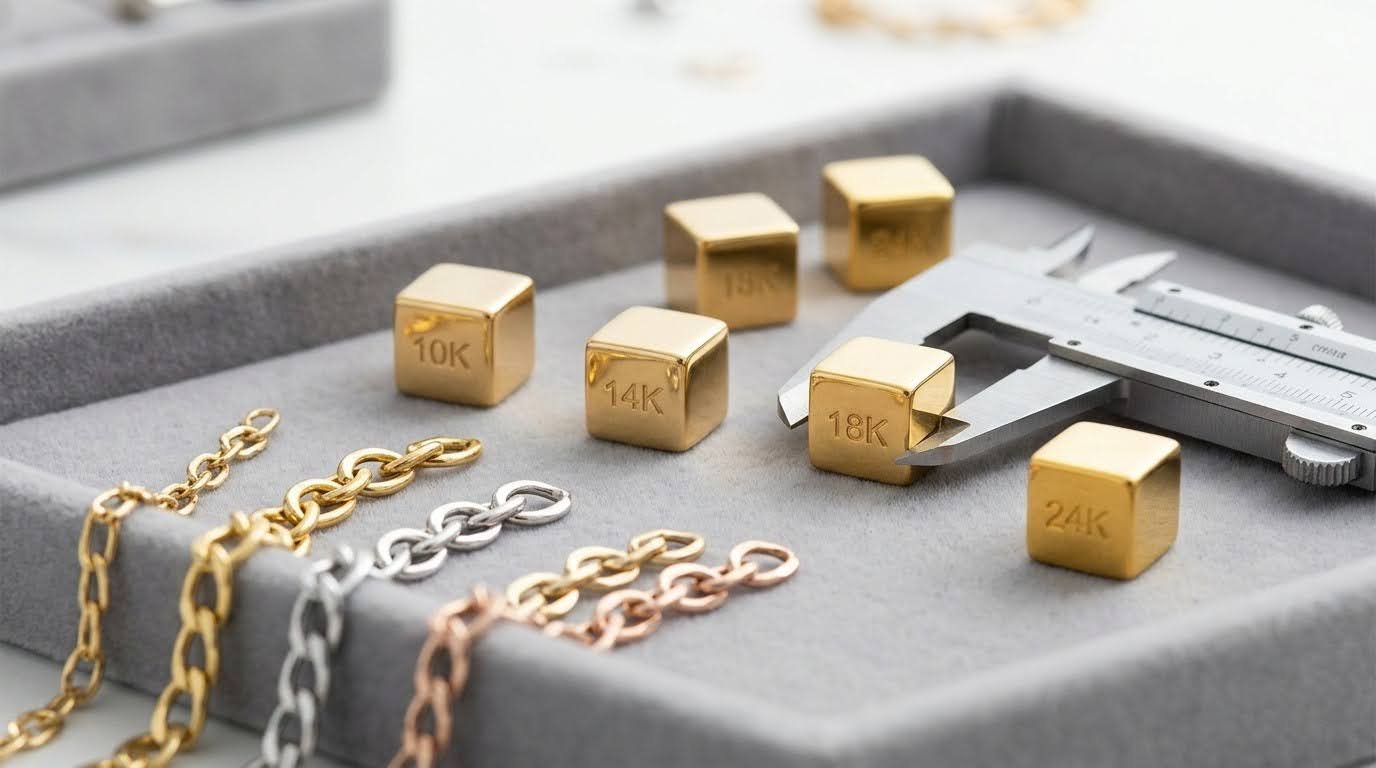
- Gold purity (14K, 18K, 22K) significantly affects durability and price
- Making charges and brand markup often increase the final price substantially
- Custom gold chains are becoming increasingly popular among modern buyers
What is a Gold Chain?
A gold chain is a type of jewelry crafted from gold or gold alloys, designed to be worn around the neck either as a standalone piece or with pendants and charms. While it may seem like a simple accessory, its classification and value depend on multiple factors such as purity, weight, craftsmanship, and intended use.
For buyers, a gold chain can serve different purposes:
- Personal Use: Daily wear or occasional styling
- Gifting: Weddings, anniversaries, festivals
- Investment: Long-term value retention through gold content
- Symbolic Value: Cultural or emotional significance
From a pricing and classification perspective, the way a gold chain is used also matters. Lightweight chains designed for daily wear differ significantly from heavy investment-grade chains, both in terms of cost structure and durability.
Features of a Gold Chain
When evaluating a gold chain, it is important to move beyond visual appeal and understand the underlying features that determine its quality, durability, and value. Each of these features plays a critical role in ensuring that the chain meets your expectations both in the short term and over time.
Material Composition and Purity
Gold chains are typically made using gold alloys rather than pure gold. Pure gold, also known as 24-karat gold, is extremely soft and not suitable for making durable jewelry. To enhance strength and usability, it is mixed with other metals such as copper, silver, or zinc.
Different purity levels offer different advantages:
- 14K gold contains approximately 58.5% gold and is known for its durability, making it ideal for daily wear
- 18K gold contains around 75% gold and offers a balance between purity and strength
- 22K gold contains about 91.6% gold and is highly valued for its richness, but it is softer and more prone to wear
The choice of purity should be aligned with how frequently the chain will be used and how much durability is required.
Chain Design and Structure
Gold chains come in a wide variety of designs, each with its own structural characteristics and aesthetic appeal. Some designs are better suited for durability, while others focus more on visual elegance.
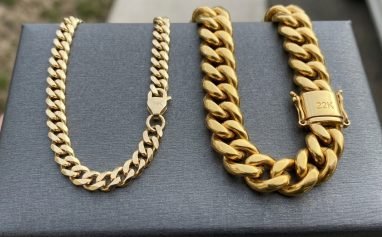
For instance, rope chains are known for their strength due to their twisted structure, while box chains offer a sleek and modern appearance. Cable chains, on the other hand, are simple and versatile, making them suitable for everyday wear.
The design not only affects the look of the chain but also its flexibility, resistance to tangling, and overall lifespan.
Craftsmanship and Manufacturing
The quality of craftsmanship is a defining factor in the overall value of a gold chain. Chains can be either handmade or machine-made, and each method has its own advantages.
Handmade chains often feature intricate detailing and uniqueness, making them more desirable for premium buyers. Machine-made chains, however, offer consistency and are generally more affordable due to lower production costs.
Weight and Thickness
The weight of a gold chain directly impacts its price, as it determines the amount of gold used. However, heavier is not always better. The ideal weight depends on the intended use. A chain meant for daily wear should be lightweight and comfortable, while a chain purchased for investment or occasional use can be heavier.
Durability and Wearability
Durability is a critical factor, especially for chains that are worn regularly. Chains made with lower karat gold tend to be stronger and more resistant to bending or breaking. Additionally, the design and clasp quality also influence how well the chain withstands regular use.
Customization Options
Modern buyers increasingly prefer personalized jewelry. Customization allows buyers to choose specific design elements such as length, thickness, pattern, and finish. While customization adds value, it also requires working with a reliable manufacturer who can deliver consistent quality.
Retail vs Manufacturer Jewelry
Understanding the difference between retail and manufacturer-direct purchasing is essential for making a financially smart decision.
Retail Jewelry Model
Traditional retail jewelry operates through a multi-layered supply chain. A typical journey involves the manufacturer selling to a wholesaler, who then supplies to distributors, and finally to retail stores. Each stage in this chain adds its own margin, which ultimately increases the price paid by the end consumer.
Retail stores also have significant operational costs, including rent, staffing, marketing, and inventory management. These expenses are built into the product pricing, often resulting in markups ranging from 30% to 100% or even higher in premium showrooms.
Additionally, retail environments often limit customization options, as they primarily focus on ready-made inventory.
Manufacturer-Direct Model
In contrast, the manufacturer-direct model eliminates intermediaries and connects buyers directly with the source of production. This results in several advantages:
- Lower overall cost due to reduced markups
- Greater transparency in pricing
- Access to customization options
- Better control over material quality and craftsmanship
As consumer awareness increases, more buyers are recognizing the inefficiencies in traditional retail pricing and shifting toward manufacturer-direct purchasing for better value.
Should You Buy a Gold Chain? Key Considerations
Before purchasing a gold chain, it is important to evaluate your needs carefully.
Your usage frequency plays a critical role in determining the right type of chain. Daily wear chains require durability, while occasional wear chains can prioritize purity and design.
Budget planning is equally important. Buyers should consider the total cost, including making charges and taxes, rather than focusing solely on gold price.
Long-term objectives also matter. Whether you are buying for personal use, gifting, or investment will influence your decisions regarding weight, purity, and design.
Pros and Cons of Buying a Gold Chain
Pros
One of the biggest advantages of buying a gold chain is its long-term value retention. Gold has historically maintained its worth, making it a relatively stable asset compared to other forms of jewelry.
Gold chains are also highly versatile. They can be worn across different occasions and paired with various outfits, making them a practical addition to any jewelry collection.
Another important advantage is emotional and cultural significance. Gold jewelry often holds sentimental value, especially when given as a gift or passed down through generations.
Customization is another benefit, allowing buyers to create designs that match their personal preferences.
Cons
Despite their advantages, gold chains come with certain drawbacks.
The most significant is the high upfront cost, which can make them less accessible for some buyers.
Hidden charges, particularly making charges and retail markups, can inflate the overall price beyond expectations.
Additionally, higher purity gold is softer and may be more prone to wear and tear, especially with regular use.
Market fluctuations in gold prices can also impact the timing of purchase.
Cost Breakdown of a Gold Chain
Understanding the cost structure of a gold chain is essential to avoid overpaying.
The base cost is determined by the gold rate multiplied by the weight of the chain. However, this is only the starting point.
Making charges are added to cover the cost of craftsmanship. These charges vary depending on the complexity of the design and can significantly increase the final price.
In some cases, additional charges such as wastage fees may be applied, especially in traditional retail settings.
GST is applied on the total value, further increasing the cost.
Finally, retail markup can add a substantial amount to the price, often without clear disclosure.
A clear understanding of these components allows buyers to evaluate whether they are paying a fair price.
Where to Buy Gold Chains
Buyers today have the option to purchase gold chains either online or offline.
Online platforms offer greater variety, competitive pricing, and easier comparison. They also provide access to manufacturer-direct options, which can reduce costs significantly.
Offline stores, while offering the advantage of physical inspection, often come with higher prices and limited design flexibility.
The choice ultimately depends on the buyer’s preference, but the trend is increasingly shifting toward online and manufacturer-direct purchasing.
Step-by-Step Buying Process
A structured approach can simplify the buying process and reduce the risk of mistakes.
- The first step is to assess your budget, ensuring that it includes all cost components.
- Next, choose the appropriate gold purity based on your usage needs.
- Selecting the right design is also important, as it affects both comfort and durability.
- Comparing multiple sellers helps ensure that you are getting the best value.
- Verification of certification, such as BIS hallmarking, is essential to confirm authenticity.
- Finally, reviewing the invoice and policies before purchase helps avoid future issues.
Buying Checklist
| Category | What to Check |
| Purity | Appropriate karat |
| Certification | BIS hallmark |
| Pricing | Transparent breakdown |
| Design | Comfort and durability |
| Seller | Trustworthy source |
| Policy | Return and exchange |
What Common Mistakes Should You Avoid?
Many buyers focus too much on design and overlook pricing structure, leading to overpayment. Others ignore making charges or fail to compare multiple sellers.
Emotional buying is another common mistake, where decisions are driven by appearance rather than practicality. Additionally, not considering resale value can affect long-term financial outcomes.
What Are the Latest Trends in Gold Chains (2026)?
The demand for lightweight and minimalist designs is increasing, as buyers prioritize comfort and daily usability. Customization is becoming more popular, allowing individuals to create unique jewelry pieces.
Online purchasing is growing rapidly due to convenience and pricing transparency. At the same time, there is a shift toward ethical sourcing and sustainable practices.
Is Buying a Gold Chain Worth It in 2026?
Buying a gold chain can be a valuable decision when approached with the right mindset and knowledge. It offers a combination of aesthetic appeal, emotional value, and financial security.
However, the key to a successful purchase lies in understanding the complete cost structure, choosing the right materials, and selecting a reliable source.
Buyers who take the time to evaluate these factors are more likely to make decisions that provide long-term satisfaction and value.
Buy Smart with Manufacturer-Direct Jewelry
As the jewelry market continues to evolve, modern buyers are increasingly moving toward manufacturer-direct purchasing models that offer greater transparency and better value.
Brands like Nakassi represent this shift by providing direct access to high-quality craftsmanship without the inflated costs associated with traditional retail. By eliminating intermediaries, buyers can benefit from more competitive pricing while still maintaining control over design and customization.
Choosing a manufacturer-direct approach allows you to focus on what truly matters—quality, value, and personalization—making it a smarter and more efficient way to purchase gold jewelry in 2026.
Frequently Asked Questions (FAQs)
1. How do I know if a gold chain is genuine?
You should check for BIS hallmark certification, which verifies the purity of gold. Additionally, purchasing from a trusted seller reduces the risk of counterfeit products.
2. Which gold purity is best for daily wear?
14K or 18K gold is generally recommended for daily wear because it offers better durability compared to higher purity gold.
3. Why are making charges so high?
Making charges cover the cost of craftsmanship and design complexity. They vary depending on the design and the seller.
4. Is it better to buy gold chains online or offline?
Online purchasing often provides better pricing and variety, while offline stores offer physical inspection. The best choice depends on your preference and trust in the seller.
5. Can I customize a gold chain?
Yes, many manufacturers offer customization options, allowing you to choose design, length, and thickness based on your preferences.
6. Does a gold chain have resale value?
Yes, gold chains retain value based on their gold content. However, making charges are usually not recovered during resale.
7. How can I avoid overpaying for a gold chain?
Compare multiple sellers, understand the cost breakdown, and consider manufacturer-direct options to avoid unnecessary markups.