
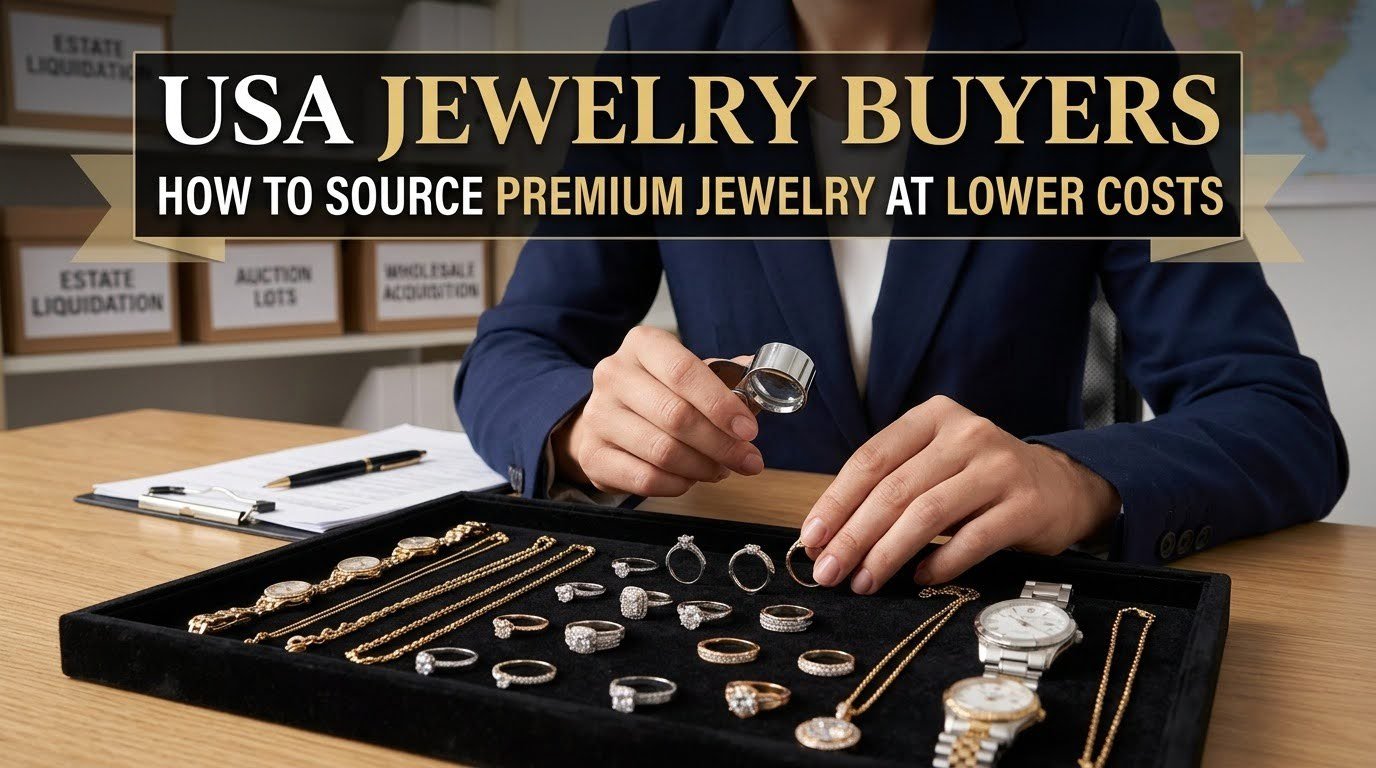
USA Jewelry Buyers: How to Source Premium Jewelry at Lower Costs
Buying jewelry in the USA has evolved significantly over the last decade. Earlier, most buyers relied heavily on retail showrooms and branded stores, often paying a high premium for design, branding, and in-store experience. Today, with the rise of online sourcing, manufacturer-direct platforms, and global supply chains, buyers have more control over pricing than ever before.
However, the challenge remains the same: how do you get premium-quality jewelry without overpaying?
This guide breaks down how USA jewelry buyers can source high-quality pieces at lower costs while still maintaining trust, authenticity, and long-term value.
Key Takeaways
- Jewelry prices in the USA vary mainly due to retail markups, branding costs, and import-related expenses—not just gold or diamond value.
- Manufacturer-direct sourcing can significantly reduce costs by removing multiple middle layers in the supply chain.
- The real jewelry cost is a combination of base material value, making charges, design complexity, and additional fees like taxes and shipping.
- Comparing multiple sellers and separating gold value from making charges is essential for making informed purchase decisions.
- Certification and authenticity checks are critical for ensuring quality and protecting long-term resale value.
- Smart buyers in 2026 focus on transparency and material value rather than paying premiums for branding alone.
Why Jewelry Prices Vary So Much in the USA
Jewelry pricing in the USA is not fixed and can vary widely depending on where and how you buy it.
The same gold ring or diamond bracelet can have different prices due to:
- Retail markups
Retailers add a profit margin on top of the base jewelry cost, which significantly increases the final price paid by customers. This markup is one of the biggest contributors to price differences between retail and manufacturer-direct jewelry.
- Brand positioning
Premium brands charge higher prices to reflect their market image, trust level, and perceived exclusivity. This “brand value” often adds cost without increasing the actual material value of the jewelry.
- Import and distribution costs
In markets like the USA, jewelry often involves international sourcing, which adds expenses such as shipping, customs duties, logistics, and distributor margins, all of which increase the final selling price.
- Design complexity
Intricate designs require more skilled labor, time, and advanced craftsmanship techniques. The more detailed the design, the higher the making charges and overall cost.
- Store overhead expenses
Physical stores include costs like rent, utilities, staff salaries, and showroom maintenance. These operational expenses are indirectly passed on to the buyer through higher jewelry pricing.
In many cases, retail pricing can be 30%–70% higher than manufacturer-direct sourcing.
Understanding the Real Cost Structure of Jewelry
To buy smarter, USA buyers need to understand what they are actually paying for.
1. Gold or Diamond Base Value
This is the raw material cost based on:
- Gold weight
The total price of jewelry increases directly with the amount of gold used. Even a small increase in grams can significantly raise the final cost because gold is priced per gram in the market.
- Diamond carat and quality
In diamond jewelry, both the size (carat) and quality (cut, clarity, color) play a major role in pricing. Higher carat or better quality diamonds increase the overall value substantially.
- Market rates (updated daily)
Gold and diamond prices fluctuate based on global market conditions. Since rates are updated daily, the final jewelry price changes depending on the current market value at the time of purchase.
This is the only truly “standardized” cost across sellers.
2. Making Charges
This includes:
- Craftsmanship labor
This refers to the skilled work involved in shaping, assembling, and detailing the jewelry. Highly experienced artisans charge more due to the precision and time required, directly increasing making costs.
- Design execution
This includes how a design is translated from concept to final product. Complex or custom designs require advanced techniques, multiple production stages, and careful detailing, which raises overall pricing.
- Finishing and polishing
The final stage of jewelry production involves smoothing, refining, and enhancing shine. High-quality finishing improves appearance and durability but also adds to labor time and production cost.
Making charges vary significantly depending on:
- Simple vs intricate designs
Simple designs require fewer production steps, less detailing, and minimal labor, which keeps costs lower. Intricate designs involve complex patterns and advanced craftsmanship, increasing both time and making charges significantly.
- Handmade vs machine-made jewelry
Handmade jewelry involves skilled artisan work, offering uniqueness and finer detailing but at a higher cost. Machine-made jewelry is more uniform, faster to produce, and generally more affordable due to lower labor involvement.
3. Retail Markup
Retailers add profit margins to cover:
- Store operations
This includes expenses like showroom rent, utilities, maintenance, and day-to-day running costs. These operational expenses are added indirectly to jewelry pricing in retail stores.
- Staff salaries
Retail jewelry stores employ trained sales staff, designers, and support teams. Their salaries and incentives contribute to the overall cost structure of the jewelry.
- Marketing campaigns
Brands invest heavily in advertising, promotions, influencer partnerships, and campaigns to build visibility. These marketing costs are recovered through higher product pricing.
- Brand positioning
Premium brands charge more to maintain their image, exclusivity, and market trust. This added “brand value” increases the final cost without affecting the actual material quality of the jewelry.
This is often the biggest hidden cost for USA buyers.
4. Import & Distribution Costs
Since much jewelry is sourced globally, additional costs include:
- Import duties
When jewelry or raw materials are brought into countries like the USA, government-imposed import taxes increase the overall cost. These duties vary based on material type, value, and trade regulations.
- Logistics
This includes transportation, shipping, insurance, and handling of jewelry across borders. Secure and insured logistics add extra cost to ensure safe delivery.
- Distributor margins
Before reaching retailers, jewelry often passes through distributors who add their own profit margins. These layered markups increase the final retail price paid by customers.
Retail vs Manufacturer Jewelry in the USA
| Factor | Retail Jewelry | Manufacturer-Direct |
| Pricing | High | Lower |
| Transparency | Limited | High |
| Customization | Restricted | Flexible |
| Middlemen | Multiple | Minimal |
| Value Efficiency | Lower | Higher |
Manufacturer-direct sourcing is increasingly becoming a preferred model for cost-conscious buyers.
How USA Buyers Can Source Jewelry at Lower Costs
Step 1: Compare Multiple Sources (Not Just Stores)
Avoid relying on a single retailer. Compare:
- Online platforms
- Manufacturer websites
- Wholesale suppliers
Even similar designs can differ significantly in pricing.
Step 2: Focus on Gold Weight and Purity First
Before design or brand, check:
- Gold weight (grams)
- Purity (14K, 18K, 22K)
This determines the true base value of your jewelry.
Step 3: Check Making Charges Separately
Always ask:
- “What is the making charge per gram or percentage?”
Lower making charges = better value deal.
Step 4: Prefer Manufacturer-Direct Jewelry
Buying directly from manufacturers helps:
- Remove retail markup
- Increase customization options
- Improve price transparency
This is one of the biggest cost-saving strategies in 2026.
Step 5: Evaluate Certification and Authenticity
Always verify:
- BIS hallmark or equivalent certification
- Diamond grading reports (GIA/IGI)
This ensures quality and protects resale value.
What Affects Jewelry Pricing in the USA Market
- Craftsmanship
High-detail work increases cost due to skilled labor requirements and the time needed for precise finishing.
- Seller Model
Retail stores add multiple layers of margin, including branding and operational costs, compared to direct manufacturer sourcing which is more cost-efficient.
- Design Structure
Complex designs require more production time, advanced techniques, and higher labor input, which increases overall pricing.
- Additional Charges
Taxes, shipping, import duties, and branding fees all add to the final price, making the total cost significantly higher than the base material value.
Smart Buying Strategy for USA Jewelry Buyers
To optimize value, follow a structured approach:
- Prioritize material value over branding
Focus on what you are actually paying for—gold weight, diamond quality, and craftsmanship—rather than the brand name or showroom experience. Material value is what truly determines long-term worth.
- Compare at least 3–5 sellers before purchasing
Different sellers often price the same design differently due to varying making charges, markups, and overhead costs. Comparing multiple options helps you identify fair pricing.
- Separate gold value from making charges
Always break down the total price into gold value and making charges. This helps you understand how much you are paying for raw material versus design and labor.
- Avoid emotionally driven purchases
Buying based on impulse, design appeal, or branding influence can lead to overpaying. A structured decision ensures better financial value and satisfaction.
- Focus on long-term usability over short-term trend
Choose designs that are durable, versatile, and suitable for regular wear instead of short-lived fashion trends that may lose relevance quickly.
Is Premium Jewelry Still Worth Buying in the USA?
Yes—but only when purchased strategically.
Premium jewelry is worth it when:
- Pricing is transparent
A good jewelry purchase clearly breaks down costs like gold value, making charges, and taxes, so you know exactly what you are paying for without hidden markups.
- Making charges are reasonable
Fair making charges reflect actual craftsmanship and design effort, without unnecessary inflation due to brand or retail overheads.
- Certification is verified
Proper certifications like BIS hallmark (for gold) and recognized diamond grading reports ensure authenticity, purity, and long-term trust in the product.
- You are not overpaying for branding alone
The price reflects real material and craftsmanship value rather than excessive brand premiums, marketing costs, or showroom expenses.
Otherwise, you may end up paying significantly more for the same product quality.
Final Insight
For USA jewelry buyers, the biggest shift in 2026 is not just design or trends—it is pricing transparency. The gap between retail and manufacturer-direct jewelry is becoming more visible, giving buyers more control over what they actually pay for.
Smart buyers today focus less on brand labels and more on:
- Material value
- Craftsmanship quality
- Transparent pricing models
This shift is making premium jewelry more accessible without compromising on quality.
FAQ
Why is jewelry expensive in the USA?
Because retail pricing includes branding, store overhead, marketing costs, and import-related expenses in addition to raw material value.
Can I buy jewelry directly from manufacturers in the USA?
Yes, many manufacturers and global suppliers now offer direct-to-consumer services with better pricing and customization options.
Is manufacturer jewelry safe to buy?
Yes, if you verify certifications, seller credibility, and material authenticity before purchase.
How much can I save by buying direct?
Buyers can often save 20% to 60% depending on design, brand markup, and sourcing model.
What is the most important factor when buying jewelry?
Gold or diamond value, followed by making charges and certification authenticity.