
How to Calculate Gold Jewelry Price (Step-by-Step Guide)
Gold jewelry pricing looks simple from the outside, but the final bill is built using multiple layers that many buyers don’t clearly understand. Most people assume the cost is only based on gold weight and current market rate, but in reality, factors like making charges, wastage, taxes, and business model (retail vs manufacturer) all directly influence the final price.
Understanding how to calculate gold jewelry price helps you compare sellers correctly, avoid overpaying, and make smarter buying decisions in both branded and manufacturer-direct models.
Key Takeaways
- Gold jewelry price is not just based on gold rate—it includes weight, purity, making charges, wastage, and GST.
- Making charges and brand markup can significantly increase the final cost compared to raw gold value.
- Manufacturer-direct pricing is generally more transparent and cost-efficient than retail pricing.
- Even identical-looking jewelry pieces can have different prices due to hidden cost structures.
- Understanding the full pricing formula helps buyers avoid overpaying and make smarter purchase decisions.
What Is the Basic Formula for Gold Jewelry Pricing?
At a fundamental level, gold jewelry pricing follows a structured formula:
Final Price = (Gold Weight × Gold Rate) + Making Charges + Wastage Charges + GST + Additional Costs
While this formula looks simple, each component has hidden depth that changes depending on the seller type, design complexity, and market conditions.
Step-by-Step Guide to Calculate Gold Jewelry Price
Step 1: Check the Gold Weight
Gold weight is the foundation of jewelry pricing. It is measured in grams and determines how much raw material is used in the piece.
Even small differences in weight can significantly change the price.
For example:
- A 5-gram chain vs a 10-gram chain can double the base cost even if the design is identical.
Important considerations:
- Heavier jewelry always costs more
- Weight also influences durability and design strength
- Manufacturer pricing is usually more transparent in weight calculation
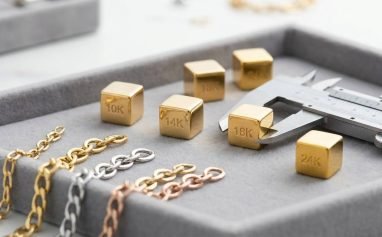
Step 2: Identify Gold Purity (Karat Value)
Gold purity defines how much pure gold is present in the jewelry piece.
Common standards:
- 24K – Pure gold (soft, not ideal for jewelry)
- 22K – Traditional jewelry standard
- 18K – Balanced durability and design flexibility
- 14K – Strongest and most durable for daily wear
Higher purity = higher cost per gram.
However, higher purity does not always mean better practicality, especially for daily-use jewelry.
Step 3: Apply Live Gold Rate
Gold prices change daily based on international market trends, currency fluctuations, and demand-supply conditions.
Formula:
Gold Value = Weight × Current Market Rate per gram
Example:
- 10 grams × ₹6,500 = ₹65,000
This is only the raw material cost and does not include any manufacturing or retail charges.
Key insight:
- Gold rate is universal, but final jewelry prices are not.
Step 4: Add Making Charges
Making charges represent the cost of converting raw gold into finished jewelry.
These charges vary widely depending on:
- Design complexity
- Machine-made vs handcrafted production
- Retail vs manufacturer pricing model
- Brand positioning
Typical range:
- 3% to 25% of gold value
Simple designs:
- Lower making charges due to minimal labor
Complex designs:
- Higher charges due to detailing and craftsmanship
In branded jewelry, making charges are often significantly higher due to additional operational costs.
Step 5: Include Wastage Charges (If Applicable)
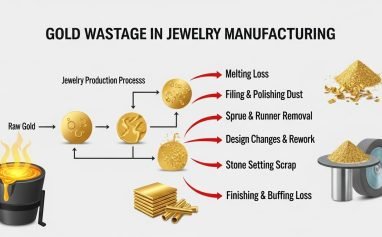
Wastage refers to gold loss during the manufacturing process.
It is more commonly applied in traditional retail systems.
- Range: 1% to 10%
- Higher for intricate designs
- Lower or minimal in manufacturer-direct models
Why wastage exists:
- Gold is lost during cutting, polishing, and shaping
- Complex designs naturally increase wastage percentage
This is often a hidden cost that buyers overlook.
Step 6: Add GST (Tax Component)
In India, gold jewelry is subject to GST.
Standard rate:
- 3% GST on total jewelry value
Formula:
(Gold Value + Making Charges + Wastage Charges) × 3%
Even though GST is fixed, it still increases the final bill and must always be included in price comparison.
Step 7: Calculate Final Price
Now combine all components:
Final Price =
Gold Value + Making Charges + Wastage Charges + GST
This is the actual amount you pay at the time of purchase.
Example of Gold Jewelry Price Calculation
Let’s break down a real example for clarity:
- Weight: 10 grams
- Gold rate: ₹6,500 per gram
- Making charges: 10%
- Wastage: 2%
- GST: 3%
Step-by-step:
- Gold value = 10 × 6,500 = ₹65,000
- Making charges = 10% of 65,000 = ₹6,500
- Wastage = 2% of 65,000 = ₹1,300
Subtotal = ₹72,800
GST (3%) = ₹2,184
Final price = ₹74,984
Key Factors That Affect Gold Jewelry Pricing
Gold Weight and Purity
- Higher weight increases total cost directly
The more grams of gold used in a jewelry piece, the higher the final price becomes. Even a small increase in weight can significantly impact the total cost because pricing is directly proportional to gold quantity.
- Higher karat increases per-gram rate
Jewelry with higher purity (like 22K compared to 18K or 14K) has a higher value per gram since it contains more pure gold. This makes higher karat pieces more expensive even if the design and weight remain the same.
- Balance between purity and durability is important for usability
While higher purity gold offers better value content, it is softer and more prone to damage. Lower karat gold provides better strength and durability, making it more suitable for everyday wear and long-term practical use.
Making Charges
- One of the most variable cost components
Making charges are not fixed and can change widely depending on design complexity, craftsmanship level, and seller pricing strategy. This makes them one of the most unpredictable parts of jewelry pricing.
- Higher in branded retail jewelry
In branded stores, making charges are usually higher because they include additional costs like showroom operations, skilled labor, design standardization, and brand positioning.
- Lower in manufacturer-direct pricing models
Manufacturer pricing removes multiple middle layers, allowing more direct cost-based charging. As a result, making charges are generally lower and more transparent compared to retail jewelry.
Design Complexity
- Simple designs require less labor
Basic jewelry designs involve fewer steps in production, minimal detailing, and simpler finishing work. This reduces labor time and overall manufacturing effort, making them more cost-efficient.
- Intricate patterns increase both time and cost
Complex designs with detailed craftsmanship require more skilled labor, longer production time, and higher precision. This naturally increases both making charges and final pricing.
- Premium designs often carry hidden craftsmanship charges
High-end or premium-looking jewelry may include additional costs for advanced detailing, specialized techniques, or finishing work that is not always clearly broken down, leading to higher overall pricing.
Brand vs Manufacturer Model
- Branded jewelry includes marketing, retail, and showroom costs
In branded jewelry, the final price includes expenses beyond the product itself, such as advertising campaigns, showroom maintenance, staff salaries, and brand positioning. These added costs increase the overall price even when the gold content is the same.
- Manufacturer-direct removes multiple layers of markup
Buying directly from manufacturers eliminates intermediaries like distributors and retail chains. This reduces additional margins and operational overheads, resulting in more transparent and cost-efficient pricing.
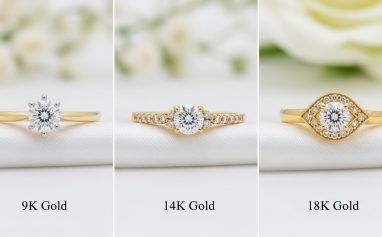
- Same gold piece can cost significantly different amounts
Even if two jewelry pieces have identical weight and design, their prices can vary widely depending on the selling model. A branded store may charge substantially more than a manufacturer due to added markups and business expenses.
Retail vs Manufacturer Pricing Impact
| Factor | Retail Jewelry | Manufacturer Jewelry |
| Transparency | Low | High |
| Making Charges | Higher | Lower |
| Hidden Costs | Common | Minimal |
| Pricing Control | Limited | Flexible |
| Final Cost | Higher | More efficient |
Why Gold Rate Alone Is Misleading
Many buyers only track daily gold prices, assuming that determines the final cost. However, gold rate is just one part of the equation.
Final pricing also depends on:
- Craftsmanship
The level of skill involved in creating the jewelry directly impacts pricing. Hand-finished or highly detailed work requires more time and expertise, which increases making charges compared to simpler machine-made pieces.
- Seller model
Where you buy from matters significantly. Branded retailers include multiple cost layers like marketing and showroom expenses, while manufacturer-direct sellers reduce these intermediaries, resulting in lower overall pricing.
- Design structure
Complex designs with intricate patterns, multiple joints, or detailed finishing require more labor and precision, making them more expensive than simple or minimal designs.
- Additional charges
Costs such as making charges, wastage fees, and GST are added on top of the base gold value. These extra components can significantly increase the final price beyond the raw material cost.
This is why two identical-looking pieces can have very different prices across stores.
Final Insight
Gold jewelry pricing is a structured system, not a single number. Understanding how weight, purity, making charges, wastage, and taxes interact helps buyers make more informed decisions.
The biggest difference in pricing today is not just gold rate—it is whether you are buying through a retail brand or directly from a manufacturer.
FAQs
What is the simplest way to calculate gold jewelry price?
Multiply gold weight by current gold rate, then add making charges, wastage, and 3% GST.
Why do making charges vary so much?
They depend on design complexity, labor cost, and whether the jewelry is branded or manufacturer-made.
Is wastage always included in gold jewelry price?
Not always. It is more common in traditional retail stores and may be lower or absent in manufacturer-direct pricing.
Do branded jewelry stores charge more?
Yes, due to additional costs like marketing, branding, showroom expenses, and operational overheads.
Can two similar gold pieces have different prices?
Yes. Differences in making charges, brand markup, and wastage can significantly change final pricing even for identical designs.