Tennis Bracelet Guide: What Makes It Special?
A tennis bracelet is one of the few jewelry pieces that has stayed relevant across generations without losing its appeal. It is simple, elegant, and versatile—yet often misunderstood when it comes to pricing, quality, and real value.
In 2026, as buyers become more informed about jewelry pricing and manufacturer-direct options, the tennis bracelet is no longer just a luxury purchase. It is now a calculated decision that blends style, comfort, and long-term value.
This guide breaks down everything you need to know—what makes a tennis bracelet special, how pricing works, what to check before buying, and whether you should go branded or manufacturer-direct.
Key Takeaways
- A tennis bracelet is defined by its continuous line of diamonds or gemstones set in a flexible chain
- Pricing varies significantly based on diamond quality, metal type, and seller model
- Branded tennis bracelets often cost 30%–70% more than manufacturer-direct options
- Quality depends on craftsmanship, setting style, and certification—not branding
- Manufacturer-direct buying offers better customization and pricing transparency
What is a Tennis Bracelet?
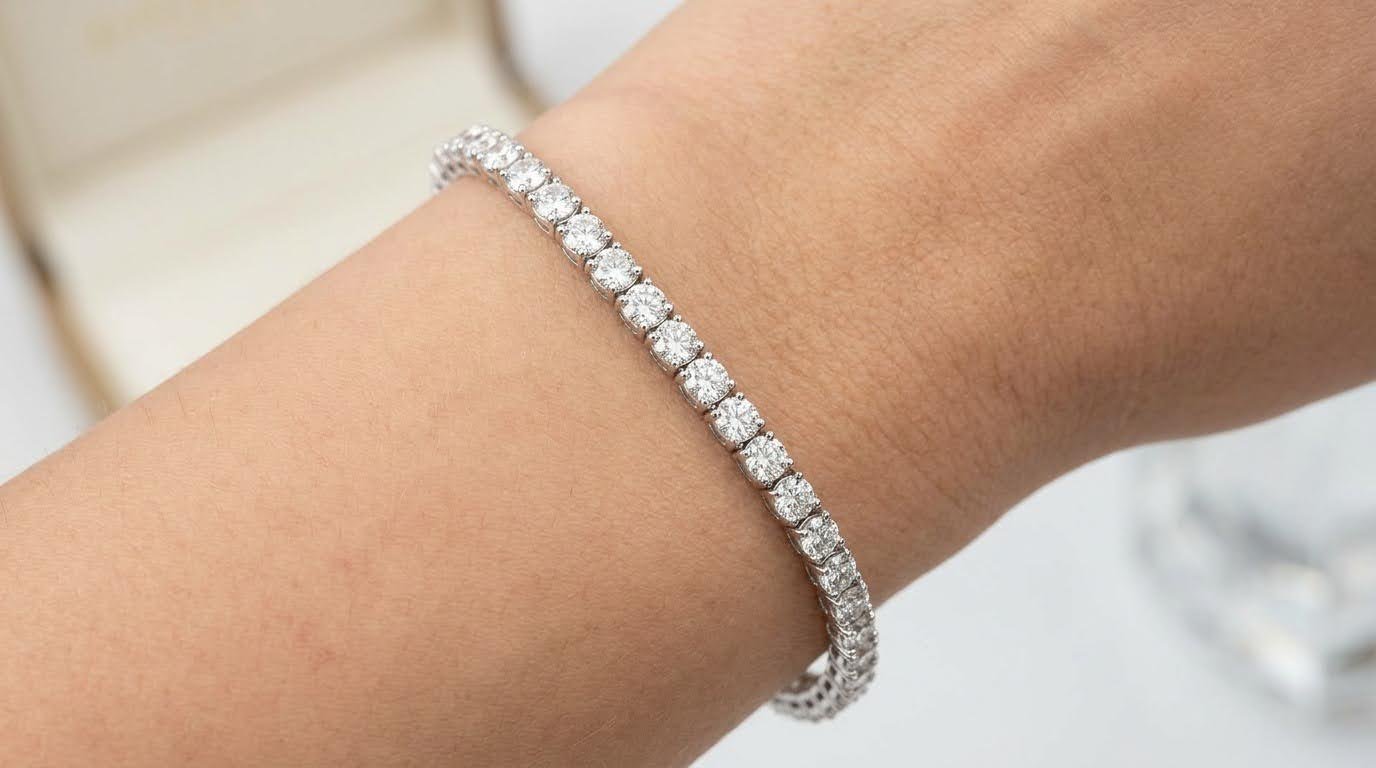
A tennis bracelet is a flexible bracelet featuring a symmetrical line of diamonds or gemstones, typically set in gold or platinum. The defining feature is its uniform design, where each stone is individually set but connected in a continuous, fluid structure.
Unlike chunky or rigid bracelets, tennis bracelets are lightweight, flexible, and designed for comfort. They sit naturally on the wrist and can be worn daily or on special occasions.
The name “tennis bracelet” became popular after a famous incident during a professional tennis match when a player stopped the game to find her diamond bracelet. Since then, it has become a staple in modern jewelry collections.
What Makes a Tennis Bracelet Special?
1. Timeless Design That Never Goes Out of Style
The biggest strength of a tennis bracelet is its simplicity. It does not rely on trends or heavy design elements. Instead, it focuses on symmetry and balance, making it suitable for all age groups and occasions.
2. Everyday Luxury Appeal
Unlike heavy jewelry that is worn occasionally, tennis bracelets are designed for daily wear. Their lightweight structure and smooth finishing make them practical while still offering a premium look.
3. Versatility in Styling
A tennis bracelet works across multiple styling scenarios:
- Office wear
- Casual outings
- Formal events
- Layered jewelry styling
This adaptability makes it one of the most used jewelry pieces in a collection.
4. Balance Between Investment and Fashion
Since it contains diamonds or precious stones, a tennis bracelet holds intrinsic value. While it is primarily a fashion accessory, it also carries material worth, especially when purchased at the right price.
How Much Does a Tennis Bracelet Cost?
The cost of a tennis bracelet varies widely depending on materials, craftsmanship, and where you buy it.
Average Price Range (India – 2026)
| Type | Price Range |
| Lightweight Diamond Tennis Bracelet | ₹40,000 – ₹1,20,000 |
| Mid-Range Bracelet | ₹1,20,000 – ₹3,50,000 |
| Premium Branded Bracelet | ₹3,50,000 – ₹8,00,000+ |
What Factors Affect Tennis Bracelet Pricing?
1. Diamond Quality (4Cs)
These four factors are known as the 4Cs of diamonds, and they play a crucial role in determining the quality, appearance, and price of any diamond jewelry piece. Understanding each of them in detail helps buyers make smarter and more value-driven decisions.
- Cut
Cut refers to how well a diamond has been shaped and faceted. It is often considered the most important of the 4Cs because it directly impacts how the diamond reflects light. A well-cut diamond appears more brilliant, sparkly, and visually appealing. Even if a diamond has high clarity and color, a poor cut can make it look dull. Cut grades typically range from Excellent to Poor.
- Clarity
Clarity measures the presence of internal flaws (inclusions) or external blemishes on a diamond. Most diamonds have some natural imperfections formed during their creation process. The fewer the imperfections, the higher the clarity grade and the more valuable the diamond. Clarity grades range from Flawless (no visible inclusions) to Included (visible imperfections).
- Color
Color refers to how colorless a diamond is. The most valuable diamonds are completely colorless, as they allow maximum light to pass through, enhancing brilliance. Diamond color is graded from D (completely colorless) to Z (noticeable yellow or brown tint). Subtle differences in color can significantly impact pricing.
- Carat Weight
Carat weight measures the size of the diamond. Larger diamonds are rarer and therefore more expensive. However, price does not increase linearly with size—larger diamonds often cost disproportionately more due to their rarity. It’s important to balance carat weight with cut, clarity, and color to get the best overall value.
Even small changes in these factors can significantly impact pricing.
2. Metal Type
- 14K Gold → More durable, affordable
- 18K Gold → Premium balance
- Platinum → Expensive, long-lasting
3. Setting Style
Prong, bezel, and channel settings directly impact both price and durability.
- Prong Setting: Uses minimal metal, enhances sparkle, but less secure over time.
- Bezel Setting: More metal, slightly higher cost, offers maximum protection and durability.
- Channel Setting: Stones are secured between metal strips, giving a balance of durability and sleek design.
In short, prong = more shine, bezel = more safety, channel = balanced choice.
4. Making Charges
Complex designs and handcrafted pieces increase making costs.
5. Brand Markup
Retail brands include:
- Showroom costs
- Marketing expenses
- Packaging and branding
This can increase the price by 30%–70%.
True Cost of Owning a Tennis Bracelet
The price you see is not the full cost. Here’s what you actually pay for:
- Material Cost – Gold + diamonds
- Making Charges – Craftsmanship and setting
- GST (3%) – Government tax
- Brand Premium – Only in branded jewelry
- Resale Loss – Making charges are not recovered
Understanding this breakdown helps avoid overpaying.
Branded vs Manufacturer Tennis Bracelet
Branded Jewelry
- Fixed pricing
Prices are standardized across stores with little to no room for negotiation, meaning you often pay the set brand value rather than just the material cost.
- Premium buying experience
Includes showroom ambiance, expert guidance, branded packaging, and after-sales services, all contributing to the overall perceived value.
- Limited customization
Focus is mainly on ready-made designs, so personalization options are restricted or come at an additional cost.
- Higher cost
Pricing includes brand markup, marketing expenses, and retail overhead, making it more expensive than manufacturer-direct options.
Manufacturer Jewelry
- Transparent pricing
Costs are clearly broken down into gold/diamond value, making charges, and taxes, helping buyers understand exactly what they are paying for.
- Custom design options
Offers high flexibility to create personalized jewelry based on design, size, weight, and style preferences.
- Lower cost
Eliminates middlemen and retail overhead, resulting in significantly better pricing compared to branded jewelry.
- Requires verification
Buyers need to check certifications, seller credibility, and craftsmanship quality to ensure a safe and reliable purchase.
Key Insight
Both can offer similar quality—but the price difference comes from markup, not material.
Is a Tennis Bracelet a Good Investment?
Short Answer: Partially
A tennis bracelet is not a pure investment like gold bars, but it does hold value.
What Determines Value?
- Gold weight
The total price of jewelry largely depends on how much gold is used—higher weight directly increases the cost, making it a primary pricing factor.
- Diamond quality
The quality of diamonds (based on cut, clarity, color, and carat) significantly impacts the overall value and pricing of the jewelry piece.
- Market rates
Gold and diamond prices fluctuate based on global market conditions, which directly affects the final purchase price at any given time.
Important Note
You do NOT recover:
- Making charges
This is the cost of craftsmanship involved in creating the jewelry. It varies based on design complexity, detailing, and whether the piece is handmade or machine-made—often a major add-on beyond raw material cost.
- Brand markup
An additional premium charged by branded retailers to cover marketing, showroom expenses, and brand positioning. This cost does not add to the intrinsic value of the jewelry but increases the final price significantly.
Better Value Strategy
Buying closer to intrinsic value (manufacturer-direct) improves resale efficiency.
How to Buy a Tennis Bracelet: Step-by-Step Process
Step 1: Define Purpose
- Daily wear → Lightweight, durable
- Occasion → Higher carat, premium design
Step 2: Set a Budget
Include:
- Material cost
- Making charges
- Taxes
Step 3: Choose Diamond Quality
Balance between clarity and size based on budget.
Step 4: Compare Sellers
Check:
- Brand stores
- Online platforms
- Manufacturer-direct
Step 5: Verify Certification
- BIS hallmark for gold
- Diamond certification
Step 6: Inspect Craftsmanship
Check:
- Flexibility
- Clasp quality
- Stone alignment
Step 7: Finalize Purchase
Review:
- Invoice breakdown
- Return policy
- Warranty
Tennis Bracelet Buying Checklist
| Category | What to Check |
| Quality | Diamond clarity & setting |
| Certification | BIS hallmark |
| Pricing | Transparent breakdown |
| Comfort | Flexible structure |
| Seller | Trusted source |
| Policy | Return & warranty |
Common Mistakes to Avoid
- Overpaying for Brand Value
Many buyers assume a higher price means better quality, but in reality, a large portion may go toward branding rather than actual material or craftsmanship.
- Ignoring Making Charges
Making charges can significantly increase the total price, especially for intricate designs, and are often not recoverable during resale.
- Skipping Certification
Not checking certifications like BIS hallmarking can affect authenticity, trust, and future resale value.
- Choosing Style Over Durability
Visually appealing but delicate designs may not be suitable for daily wear and can lead to faster wear and tear.
- Not Comparing Options
Prices can vary widely across sellers for similar designs, so skipping comparison often results in overpaying.
Customization in Tennis Bracelets
Customization is becoming a major trend in 2026.
What Can Be Customized?
- Diamond size
Larger diamonds increase the overall price and visual appeal, but even small size differences can significantly impact cost.
- Bracelet length
Longer bracelets require more material (gold and diamonds), directly increasing the total price.
- Metal type
The choice between gold (14K, 18K), platinum, or other metals affects both durability and pricing, with higher purity metals costing more.
- Setting style
Styles like prong, bezel, or channel influence both the look and security of the stones, while also affecting making charges and overall cost.
Why Manufacturer Direct Wins
- Lower cost
Eliminating middlemen and retail overhead reduces the overall price, allowing you to pay primarily for materials and craftsmanship.
- Better flexibility
Offers more options in design, weight, and budget, making it easier to align the jewelry with your specific needs.
- Direct design control
You can customize every detail—from stone size to setting style—ensuring the final piece matches your exact preference.
Market Trends: Why Tennis Bracelets Are Growing
- Lightweight Jewelry Demand
Buyers are increasingly choosing comfort-focused pieces that are easy to wear daily without feeling heavy or restrictive.
- Minimalist Luxury
Simple, elegant designs are replacing bulky styles, offering a modern look while maintaining a premium feel.
- Daily Wear Preference
Jewelry is no longer reserved for special occasions—there’s a strong shift toward pieces suitable for everyday use.
- Online Buying Growth
More buyers are moving to digital platforms for better pricing transparency, wider variety, and convenience in comparison.
Is Buying a Tennis Bracelet Worth It in 2026?
Yes—if you understand pricing and buy smart.
A tennis bracelet offers:
- Timeless design
Classic styles that don’t go out of fashion ensure long-term relevance and better wearability over the years.
- Daily usability
Jewelry that is comfortable, durable, and suitable for regular wear adds more practical value beyond occasional use.
- Material value
The intrinsic worth of gold or diamonds plays a key role in long-term value, especially when considering resale or investment.
However, the key is avoiding unnecessary markup.
Buy Smart with Manufacturer-Direct Jewelry
The biggest shift in the jewelry market is moving away from retail markup toward transparent pricing.
Manufacturer-direct models allow buyers to:
- Pay for actual value
Focuses on the real worth of gold, diamonds, and craftsmanship instead of paying extra for branding or retail overhead.
- Customize designs
Allows buyers to create jewelry based on personal style, size, and budget preferences rather than choosing only ready-made options.
- Avoid brand premiums
Eliminates additional costs charged for brand name, marketing, and showroom experience, making the purchase more cost-efficient.
Nakassi represents this shift by offering high-quality tennis bracelets with better pricing and customization options—helping buyers make smarter, value-driven decisions.
FAQs
What is a tennis bracelet?
A bracelet with a continuous line of diamonds or gemstones set in a flexible chain design.
Why is it called a tennis bracelet?
The name became popular after a tennis player lost her bracelet during a match, bringing attention to the design.
Is a tennis bracelet suitable for daily wear?
Yes, its lightweight and flexible design makes it ideal for everyday use.
Why are branded tennis bracelets expensive?
Due to added costs like marketing, retail overhead, and brand positioning.
Is manufacturer tennis jewelry reliable?
Yes, if purchased from a trusted and certified source.
Can I customize a tennis bracelet?
Yes, customization is easier and more affordable through manufacturers.
Does a tennis bracelet have resale value?
Yes, based on gold and diamond value, but making charges are usually not recovered.