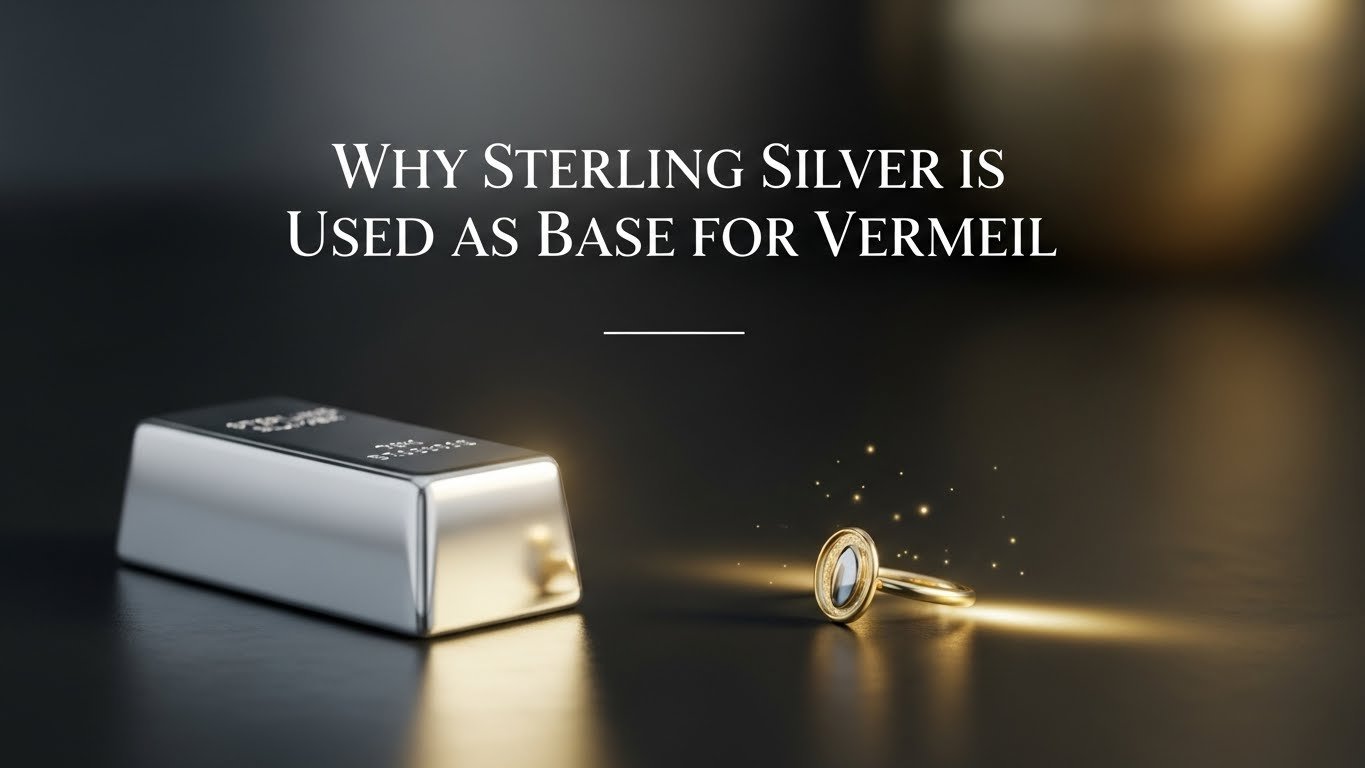
Why Sterling Silver is Used as Base for Vermeil
When you’re shopping for gold vermeil jewelry, have you ever wondered why sterling silver is always used as the base metal? It’s not just a random choice—there’s actually some fascinating science and centuries of craftsmanship behind this decision. Let me walk you through everything you need to know about why sterling silver and vermeil are such a perfect match.
Understanding Gold Vermeil: More Than Just Gold-Plated
Before we dive into why sterling silver is the star base metal for vermeil, let’s get clear on what vermeil actually is. Gold vermeil (pronounced “ver-may”) isn’t your average gold-plated jewelry. It’s a specific type of high-quality jewelry that must meet strict legal requirements in most countries.
To be called vermeil, a piece must have:
- A base made of sterling silver (92.5% pure silver)
- A gold layer that’s at least 10 karat
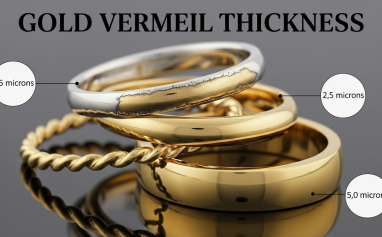
- A gold coating at least 2.5 microns thick
- Gold applied through electroplating
This isn’t just marketing speak—these are actual legal standards set by the Federal Trade Commission in the United States and similar regulatory bodies worldwide. So when you’re buying vermeil from a reputable jewelry manufacturer, you’re getting something with real substance.
The Sterling Silver Foundation: Why Not Just Any Metal?
Here’s where things get interesting. You might think, “Why not use brass or copper as a base? Wouldn’t that be cheaper?” And you’d be absolutely right—it would be cheaper. But there are compelling reasons why sterling silver is the only acceptable base for true vermeil.
1. Sterling Silver’s Natural Compatibility with Gold
Sterling silver and gold are like old friends in the jewelry world. They share similar properties that make them work beautifully together:
Chemical Compatibility: Both silver and gold are noble metals, meaning they’re relatively resistant to corrosion and oxidation. This similarity creates a stable bond between the two metals. When gold is electroplated onto sterling silver, it adheres more uniformly and strongly than it would to base metals like brass or copper.
Similar Density: The density of silver (10.49 g/cm³) is closer to gold (19.32 g/cm³) than most base metals. This similarity means the gold layer experiences less stress from thermal expansion and contraction, which happens naturally as jewelry heats up on your body or cools down when you take it off.
2. The Purity Factor: Sterling Silver’s 92.5% Standard
Sterling silver isn’t pure silver—it’s an alloy containing 92.5% silver and 7.5% other metals (usually copper). This specific ratio exists for good reasons that also benefit vermeil:
The small percentage of copper in sterling silver adds strength without compromising the metal’s noble characteristics. Pure silver (99.9%) would be too soft for most jewelry applications, but sterling silver strikes the perfect balance between durability and workability.
When you’re looking at silver jewelry, that 92.5% standard is your guarantee of quality. It’s the same standard that makes sterling silver ideal for supporting a gold layer.
3. The Color Advantage
Have you ever noticed how some gold-plated jewelry looks slightly off in color? That’s often because the base metal is showing through or affecting the gold’s appearance.
Sterling silver’s white-silver color provides the perfect neutral canvas for gold. Whether you’re wearing:
- Yellow gold vermeil
- White gold vermeil
- Rose gold vermeil
The silver base won’t muddy or distort the gold’s true color. This is especially important as the gold layer naturally wears over time. With sterling silver underneath, even slight wear isn’t as noticeable because silver is a precious metal with its own beautiful appearance.
Contrast this with brass or copper bases—if the gold wears through, you’re left with a greenish or reddish metal showing through, which looks cheap and damaged.
The Electroplating Process: Why Silver Makes It Work
The process of creating vermeil involves electroplating, which is essentially using electrical current to deposit gold atoms onto the silver surface. Here’s why sterling silver excels in this process:
Superior Surface Preparation
Sterling silver can be polished to an extremely smooth, mirror-like finish. This smoothness is crucial because the gold layer will replicate whatever surface it’s applied to. A rough base means rough gold plating. The malleability of sterling silver allows craftsmen to create that perfect surface.
Professional jewelry manufacturers know that proper surface preparation is half the battle in creating quality vermeil. Sterling silver’s workability makes this preparation significantly easier and more consistent.
Better Adhesion
The electroplating process works by attracting positively charged gold ions to the negatively charged silver surface. Sterling silver’s conductive properties and chemical makeup create stronger molecular bonds with gold compared to base metals. This means:
- More even gold distribution
- Fewer weak spots prone to flaking
- Longer-lasting finish
- Better resistance to wear in high-friction areas
Reduced Risk of Allergic Reactions
Here’s something many people don’t consider: what happens if the gold layer wears thin?
Sterling silver is hypoallergenic for most people (though those with severe silver allergies should still be cautious). Base metals like nickel, which is often used in cheaper gold-plated jewelry, can cause severe allergic reactions in sensitive individuals.
When you wear vermeil with a sterling silver base, even if the gold wears down in spots, you’re still in contact with a precious metal that’s generally safe for sensitive skin. This is why antique jewelry and heirloom pieces have traditionally used sterling silver—it’s been trusted for centuries.
The Value Proposition: Why Sterling Silver Base Matters to You
Let’s talk about what all this means for your wallet and your jewelry box.
1. Intrinsic Value
Unlike gold-plated jewelry with worthless base metals, vermeil has actual intrinsic value. The sterling silver base alone is valuable. If you ever need to sell or recycle vermeil jewelry, you’re not just throwing away metal—you’re recovering precious metals.
Many gold jewelry manufacturers who work with vermeil will accept old pieces for recycling because both the gold and silver have value.
2. Longevity and Durability
Sterling silver’s strength means vermeil jewelry maintains its shape better over time. You’re not dealing with bent rings or misshaped earrings like you might with softer base metals.
The strong bond between silver and gold also means the gold layer stays put longer. While all plated jewelry will eventually show wear, quality vermeil can last for years with proper care—far longer than standard gold plating.
3. The Ability to Re-plate
Here’s a secret jewelry lovers know: vermeil can be professionally re-plated when the gold layer wears thin. Because the base is valuable sterling silver, it’s worth the investment to restore the piece.
Try re-plating a brass-based piece, and most jewelers will tell you it’s not worth it. But with sterling silver underneath, you’re working with a foundation that justifies the maintenance investment.
The Historical Perspective: Centuries of Proven Performance
The use of sterling silver as a base for gold overlay isn’t new—it’s a technique dating back hundreds of years. The term “vermeil” itself comes from French, where it originally described gilded silver objects.
In the 18th and 19th centuries, vermeil was the choice of European aristocracy who wanted the look of gold without the expense of solid gold pieces. Even royal collections contain vermeil items, testament to its durability and beauty.
This historical track record isn’t just interesting—it’s proof of concept. Vermeil pieces from centuries ago still exist in museums and private collections, their sterling silver bases still intact and stable.
The Technical Requirements: Legal Standards for a Reason
Different countries have specific legal requirements for vermeil, and they all specify sterling silver for good reasons:
United States (FTC Guidelines):
- Base must be sterling silver
- Gold must be at least 10 karat
- Gold layer must be at least 2.5 microns thick
United Kingdom:
- Base must be sterling or Britannia silver
- Gold must be at least 10 karat
- Minimum thickness often 1 micron (though quality pieces exceed this)
European Union:
- Similar standards emphasizing sterling silver base
- Strict hallmarking requirements
These aren’t arbitrary rules—they’re consumer protections based on centuries of jewelry-making knowledge. Regulatory bodies understand that only sterling silver provides the quality and durability that vermeil promises.
Comparing Base Metals: Why Alternatives Fall Short
Let’s look at why other common base metals don’t make the cut for vermeil:
Brass
- Problem: Contains copper and zinc, which oxidize easily
- Issue: Green discoloration can bleed through gold
- Result: Shorter lifespan, poor appearance when worn
Copper
- Problem: Highly reactive, oxidizes quickly
- Issue: Can cause skin discoloration (green fingers)
- Result: Unstable bond with gold, prone to flaking
Stainless Steel
- Problem: Too hard for detailed work
- Issue: Difficult to electroplate evenly
- Result: Inconsistent gold coverage, industrial appearance
Aluminum
- Problem: Forms oxide layer quickly
- Issue: Poor adhesion for gold plating
- Result: Gold peels or chips easily
None of these alternatives offer the combination of workability, compatibility, value, and safety that sterling silver provides.
The Modern Manufacturing Perspective
Today’s B2B jewelry manufacturers use advanced technology to create vermeil, but the fundamental principle remains: sterling silver is the superior base.
CAD and 3D Printing
Modern design processes allow for incredibly detailed vermeil pieces. The ability of sterling silver to capture fine details means designs created digitally can be faithfully reproduced in metal. The gold layer then perfectly replicates these details.
Quality Control
Reputable manufacturers test their vermeil rigorously:
- X-ray fluorescence to verify gold thickness
- Pull tests to ensure adhesion
- Accelerated wear testing
- Chemical resistance testing
Sterling silver consistently outperforms other base metals in all these tests.
Sustainable Practices
Both silver and gold used in vermeil can be recycled indefinitely without quality loss. Many manufacturers now use recycled precious metals, making vermeil an environmentally conscious choice compared to disposable fashion jewelry with base metal cores.
Care and Maintenance: The Sterling Silver Advantage
Proper care extends vermeil’s life significantly, and sterling silver’s properties make this easier:
Cleaning
Sterling silver responds well to gentle cleaning methods that won’t damage the gold layer:
- Mild soap and water
- Soft polishing cloths
- Professional jewelry cleaning solutions
Avoid harsh chemicals or abrasive materials that might scratch the gold surface.
Storage
Sterling silver doesn’t rust, but it can tarnish. However, the gold layer protects the silver from exposure to air—one of vermeil’s built-in advantages. Store vermeil pieces:
- In individual soft pouches
- Away from direct sunlight
- In low-humidity environments
- Separated to prevent scratching
Wearing
Sterling silver’s strength means vermeil jewelry is suitable for regular wear. Unlike pieces with fragile base metals, you can:
- Wear rings daily (though remove for hand-intensive work)
- Keep earrings in for extended periods
- Layer necklaces without worrying about bending
The gold layer on quality vermeil can last 1-3 years with regular wear, far exceeding standard gold plating’s few months.
The Investment Perspective: Understanding Value
When you buy vermeil jewelry, you’re making a smarter investment than with standard gold-plated pieces, primarily because of the sterling silver base.
Price Points
Expect to pay more for vermeil than gold-plated jewelry, but considerably less than solid gold:
- Gold-plated (brass base): $20-$100
- Gold vermeil (silver base): $50-$300
- Solid gold: $200-$2,000+
That middle price point for vermeil reflects the quality of materials and craftsmanship.
Resale Value
While you won’t get rich selling used vermeil, it retains some value:
- Silver content has scrap value
- Gold can be recovered and recycled
- Quality pieces from known designers hold collector value
Compare this to gold-plated jewelry with base metal cores, which has essentially zero resale value once the thin gold layer wears away.
The Designer’s Choice: Why Top Brands Use Sterling Silver
High-end jewelry designers and luxury brands consistently choose sterling silver as their vermeil base. There are practical and aesthetic reasons:
Design Freedom
Sterling silver’s malleability allows for:
- Intricate filigree work
- Detailed engravings
- Delicate chains
- Complex sculptural forms
The gold plating then enhances these details without obscuring them.
Brand Reputation
Using sterling silver signals quality. When a brand offers vermeil on a sterling base, they’re making a statement about their commitment to using proper materials and traditional craftsmanship.
Customer Satisfaction
Jewelry made with sterling silver bases generates fewer returns and complaints. Customers appreciate pieces that maintain their appearance over time and don’t cause skin reactions.
Common Misconceptions About Vermeil and Sterling Silver
Let’s clear up some confusion:
“All gold-plated jewelry is the same”
False. Vermeil is a specific type of gold-plated jewelry with a sterling silver base and thick gold layer. It’s categorically different from standard gold plating.
“Sterling silver will turn the gold green”
False. Sterling silver is stable and won’t react with gold in a way that changes color. Any discoloration usually comes from external factors like chemicals or improper care.
“The silver base makes it less valuable”
False. The sterling silver base adds intrinsic value. It’s one of the features that makes vermeil superior to standard gold plating.
“Vermeil is just cheap fake gold”
False. Vermeil is real gold over real silver—both precious metals. It’s an affordable way to own gold jewelry, not an imitation.
Special Considerations for Different Jewelry Types
The sterling silver base offers specific advantages for different jewelry pieces:
Rings
Sterling silver’s durability is crucial for rings, which endure more wear than other jewelry. The strength prevents bending and the stable base means the gold layer experiences less stress.
Earrings
For people with sensitive ears, the hypoallergenic properties of sterling silver provide peace of mind. Even if gold wears at the post, sterling silver is generally safe.
Necklaces and Chains
The strength-to-weight ratio of sterling silver allows for delicate chain designs that won’t break easily. The gold vermeil coating adds warmth and luxury to these foundational pieces.
Bracelets
Bracelets see lots of movement and occasional impacts. Sterling silver’s resilience means vermeil bracelets maintain their shape and the gold layer stays more intact than it would on weaker base metals.
The Future of Vermeil: Innovation on a Silver Foundation
The vermeil industry continues to innovate while maintaining the sterling silver base standard:
Advanced Plating Techniques
New electroplating methods create even stronger bonds between silver and gold, extending wear life without increasing thickness.
Hybrid Designs
Some pieces combine solid gold elements (like settings) with vermeil bodies, maximizing value while maintaining the look of all-gold pieces.
Nano-Technology Coatings
Clear protective coatings are being developed to extend vermeil’s life even further, with the sterling silver base providing the stable foundation these treatments require.
Making Informed Choices: What to Look For
When shopping for vermeil jewelry, the sterling silver base should be verified:
Ask About Standards
Reputable sellers will confirm their vermeil meets legal standards, specifically mentioning the sterling silver base.
Check for Hallmarks
Look for “925” or “Sterling” stamps, which indicate the base metal quality. These should appear alongside the gold quality mark.
Consider the Source
Purchase from established jewelry manufacturers or retailers who specialize in quality pieces and stand behind their products.
Understand Pricing
If a “vermeil” piece is suspiciously cheap, question whether it truly has a sterling silver base or if it’s mislabeled gold-plated jewelry.
Frequently Asked Questions (FAQs)
Why is sterling silver always used as the base for vermeil?
Sterling silver is mandated as the vermeil base because it offers the best combination of durability, compatibility with gold, intrinsic value, and hypoallergenic properties. Its chemical similarity to gold creates strong molecular bonds during electroplating, resulting in longer-lasting jewelry. The 92.5% silver purity provides strength while maintaining precious metal qualities, making it the only base metal that meets legal vermeil standards in most countries.
Can you make vermeil with other base metals like brass or copper?
No, authentic vermeil must have a sterling silver base by legal definition. While you can gold-plate brass or copper, the resulting jewelry cannot legally be called vermeil. These alternatives lack the durability, safety, and quality that sterling silver provides. Brass and copper also oxidize more readily, can cause skin reactions, and don’t create the stable bond with gold that silver does.
How does the sterling silver base affect the price of vermeil jewelry?
The sterling silver base makes vermeil more expensive than regular gold-plated jewelry because silver itself is a precious metal with intrinsic value. However, vermeil remains significantly more affordable than solid gold jewelry. The price reflects the quality materials used—both the silver base and the thick gold layer contribute to the overall cost, but also to the piece’s longevity and value retention.
Will the sterling silver show through when the gold wears off?
Eventually, with heavy wear, some silver may become visible through the gold layer. However, because sterling silver is also an attractive precious metal with a beautiful white-silver color, this isn’t as problematic as with base metals. Many people actually appreciate the subtle two-tone effect. Additionally, vermeil can be professionally re-plated to restore the gold layer, which is economically feasible because the sterling base is valuable.
Is sterling silver base vermeil safe for sensitive skin?
Yes, sterling silver is hypoallergenic for most people, making vermeil a safer choice than gold-plated jewelry with nickel or other base metals. While some individuals have silver allergies, they’re relatively rare compared to nickel allergies. The combination of gold on the surface and sterling silver underneath means vermeil is generally well-tolerated even by those with moderate metal sensitivities.
How long does gold vermeil last compared to gold-plated jewelry?
Gold vermeil typically lasts much longer than standard gold plating due to both the thicker gold layer (minimum 2.5 microns vs. 0.5 microns for regular plating) and the superior sterling silver base. With proper care, vermeil can maintain its appearance for 1-3 years or longer with daily wear, while thin gold plating often shows wear within months. The strong bond between silver and gold extends the vermeil’s lifespan significantly.
Can you clean vermeil jewelry the same way as solid silver?
You should clean vermeil more gently than solid silver. While the sterling silver base could handle more aggressive cleaning, the gold layer requires care. Use mild soap and warm water with a soft cloth. Avoid silver polishing compounds, which are too abrasive for the gold surface. Never use baking soda or toothpaste on vermeil, as these can scratch the gold plating. When in doubt, consult with professional jewelers who understand vermeil’s dual-metal nature.
Does the quality of sterling silver matter in vermeil jewelry?
Yes, absolutely. True sterling silver must be 92.5% pure silver (marked as .925), and this standard is crucial for quality vermeil. Some manufacturers might use lower-grade silver alloys, which won’t provide the same durability or chemical compatibility with gold. Always verify the sterling mark when purchasing vermeil, and buy from reputable sources that guarantee their silver quality. Quality sterling silver ensures the gold layer adheres properly and lasts longer.
Why does vermeil cost more than gold-filled jewelry?
This is actually a bit of a misconception. Gold-filled jewelry often costs more than vermeil because it contains a higher percentage of gold by weight (at least 5% vs. vermeil’s surface layer). However, vermeil offers different advantages: the sterling silver base has its own value, the electroplating process allows for more detailed designs, and the overall aesthetic can be superior for certain jewelry styles. Each has its place depending on your needs and preferences.
Can vermeil be repaired if the gold layer gets damaged?
Yes, one of the key advantages of vermeil is that it can be professionally re-plated. Because the base is valuable sterling silver, it’s economically worthwhile to restore worn pieces. Jewelers can strip the old gold layer (if necessary) and apply fresh plating. This isn’t possible with cheap base-metal jewelry, where the cost of re-plating exceeds the piece’s value. The sterling silver base essentially makes your vermeil jewelry renewable.
How can you tell if jewelry is real vermeil or just gold-plated?
Genuine vermeil should have hallmarks indicating both the sterling silver base (.925 or Sterling) and the gold quality (10K, 14K, etc.). The piece should feel heavier than gold-plated jewelry due to silver’s density. Reputable sellers will provide certification or documentation confirming vermeil standards. Be skeptical of very cheap “vermeil”—authentic pieces cost more due to the precious metals involved. When uncertain, have a jeweler test the base metal to confirm it’s sterling silver.
Does humidity or climate affect sterling silver vermeil jewelry?
Sterling silver can tarnish in humid environments, but the gold layer actually protects it from air exposure. Store vermeil in low-humidity conditions when not wearing it. The gold vermeil surface itself is quite stable across different climates. However, salt water, chlorine, and harsh chemicals can damage both the gold layer and the silver base, so remove vermeil jewelry before swimming or using cleaning products.
Is vermeil with a sterling silver base considered fine jewelry?
Yes, vermeil is generally classified as fine jewelry because it’s made entirely of precious metals—gold over sterling silver. While it’s more affordable than solid gold, it’s a significant step above costume jewelry. Many fine jewelry brands include vermeil pieces in their collections, particularly for designs where solid gold would be prohibitively expensive. The sterling silver base is the key factor that elevates vermeil to fine jewelry status.
Conclusion: The Perfect Foundation
The use of sterling silver as the base for vermeil isn’t just tradition—it’s the result of centuries of metalworking experience and chemical understanding. Sterling silver provides the ideal foundation for gold vermeil because it offers:
- Chemical compatibility that creates strong, lasting bonds with gold
- Intrinsic value that makes your jewelry a real investment
- Hypoallergenic properties that protect sensitive skin
- Durability that stands up to daily wear
- Beauty that shows through even as gold naturally wears
- Recyclability that makes it an environmentally responsible choice
When you choose vermeil jewelry from a reputable jewelry manufacturer, you’re getting a piece built on this exceptional foundation. The sterling silver base isn’t a compromise—it’s what makes vermeil jewelry valuable, beautiful, and long-lasting.
Whether you’re buying your first piece of vermeil or adding to an existing collection, understanding why sterling silver is used as the base helps you appreciate the craftsmanship and quality you’re investing in. It’s not just gold-plated jewelry—it’s precious metal on precious metal, creating affordable luxury that lasts.
Looking for quality vermeil jewelry or interested in learning more about jewelry manufacturing? Explore Nakassi’s collections to discover beautifully crafted pieces that showcase the perfect marriage of sterling silver and gold.

Brijesh brings a decade of experience in SEO and a deep love for jewelry to his writing. He excels at creating content that shines both on the page and in search engines, ensuring every story about gems and craftsmanship reaches the right audience.