Lab Grown vs Natural Diamonds in European Bridal Jewelry
The European bridal jewelry industry is undergoing one of its most significant transformations in decades. While natural diamonds have historically symbolized rarity, tradition, and emotional value, lab grown diamonds are rapidly redefining how bridal collections are designed, priced, and marketed.
For European jewelry brands, wholesalers, and retailers, the debate is no longer emotional—it is commercial, strategic, and data-driven.
Choosing between lab grown diamonds and natural diamonds directly affects:
- Cost structures and inventory risk
- Consumer trust and brand storytelling
- Sustainability positioning in regulated EU markets
- Product scalability across countries
- Long-term profitability
For any bridal jewelry manufacturer, understanding how European buyers evaluate this choice is essential for remaining competitive in 2026 and beyond.
What Defines a Diamond Today? A Modern Perspective
Natural Diamonds: Legacy and Perceived Rarity
Natural diamonds form over billions of years under intense heat and pressure beneath the Earth’s surface. Their appeal in bridal jewelry has long been tied to:
- Geological rarity
- Emotional symbolism
- Heirloom value
In Europe, natural diamonds still play a critical role in luxury bridal collections, especially in France and Italy.
Lab Grown Diamonds: Science-Driven Consistency
Lab grown diamonds are created using advanced technology, primarily:
- HPHT (High Pressure High Temperature)
- CVD (Chemical Vapor Deposition)
They are chemically, physically, and optically identical to natural diamonds. For a modern lab grown diamond jewelry manufacturer, this consistency enables precise planning, repeatability, and cost control.
Why Europe Is a Unique Market for Diamond Choice
European bridal buyers differ from other global markets due to:
- Strong sustainability expectations
- Transparent certification standards
- High design sensitivity
- Regulatory and ethical scrutiny
This has positioned Europe as a testing ground for lab grown diamond adoption, particularly in B2B sourcing decisions.
Adoption Trends Across Key European Markets
United Kingdom: Value, Ethics, and Transparency
The UK has emerged as one of Europe’s fastest adopters of lab grown diamonds.
Key drivers:
- Rising gold and diamond prices
- Ethical awareness among younger couples
- Acceptance of innovation in bridal jewelry
Lab grown diamonds paired with 9k gold jewelry and 14k gold jewelry dominate entry-level and mid-range engagement rings.
France: Design-Led Transition
France remains emotionally attached to natural diamonds in high-end bridal jewelry. However:
- Minimalist bridal designs
- Ethical luxury branding
- Contemporary engagement rings
are accelerating the use of lab grown diamonds in custom fine jewelry manufacturing.
Germany: Sustainability and Logic First
German buyers approach bridal jewelry pragmatically:
- Certification and traceability matter
- Sustainability is a deciding factor
- Long-term durability is prioritized
This makes Germany one of the strongest growth markets for lab grown diamond jewelry manufacturer offerings.
Italy: Craftsmanship Over Origin
Italy remains tradition-driven, but:
- Modern bridal lines increasingly include lab grown diamonds
- Design excellence outweighs stone origin
- Mixed collections are common
Italian brands often integrate both diamond types within custom jewelry manufacturing programs.
Cost Structure Comparison: Lab Grown vs Natural Diamonds
Production & Procurement Costs
Lab Grown Diamonds
- Predictable pricing
- No mining-related volatility
- Easier bulk procurement
Natural Diamonds
- Market-driven price fluctuations
- Higher capital lock-in
- Limited supply control
For private label jewelry manufacturing, predictable cost structures are critical for scaling.
Retail Pricing & Margin Control
| Diamond Type | Cost Predictability | Retail Flexibility | Margin Stability |
| Lab Grown | High | High | Strong |
| Natural | Medium | Limited | Volatile |
European bridal brands increasingly reserve natural diamonds for flagship designs, while lab grown diamonds power volume collections.
Consumer Trust & Perception in Europe
How Buyers View Lab Grown Diamonds
- Ethically responsible
- Modern and innovative
- Smart value choice
How Buyers View Natural Diamonds
- Symbol of tradition
- Emotional investment
- Luxury status
A skilled custom engagement ring manufacturer helps brands present both without cannibalizing value.
Sustainability: A Non-Negotiable Factor in Europe
Sustainability has become a core purchase driver, not a marketing add-on.
Environmental Impact
Lab Grown Diamonds
- Lower land disruption
- Reduced water usage
- Easier environmental reporting
Natural Diamonds
- Dependent on mining practices
- Requires strong ethical certification
- Under greater scrutiny
European retailers increasingly prioritize lab grown diamond jewelry to align with ESG goals.
Design & Manufacturing Advantages
Why Designers Prefer Lab Grown Diamonds
- Consistent size and quality
- Ideal for pavé, halo, and bridal sets
- Easier matching for earrings and necklaces
This consistency improves efficiency in custom fine jewelry manufacturing.
Where Natural Diamonds Still Excel
- Unique solitaires
- Heirloom engagement rings
- High-value bespoke designs
Both perform best when produced by an experienced gold jewelry manufacturer with advanced stone-setting expertise.
Certification & Disclosure Expectations
European B2B buyers expect:
- IGI or GIA certification
- Full origin disclosure
- Clear product labeling
Transparency is critical, especially for private label jewelry manufacturing partnerships.
Strategic Pairing: Diamonds & Gold Karats
Smart European brands align stone type with gold purity:
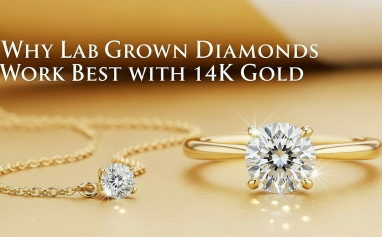
- Lab grown diamonds + 14k gold jewelry = durability + margin balance
- Natural diamonds + 18k gold jewelry = luxury positioning
- Lab grown diamonds + 9k gold jewelry = UK mass-market success
This strategy supports both profitability and buyer acceptance.
Inventory Risk & Supply Chain Efficiency
Lab Grown Diamonds
- Faster replenishment
- Lower inventory risk
- Easier forecasting
Natural Diamonds
- Limited availability
- Higher holding costs
- Longer sourcing cycles
For a custom jewelry manufacturer in India, lab grown diamonds enable agile, demand-driven production.
The Dual-Diamond Strategy: What Top European Brands Are Doing
Most successful bridal brands no longer choose one over the other. Instead, they:
- Use lab grown diamonds for volume SKUs
- Reserve natural diamonds for premium lines
- Educate buyers transparently
This hybrid model improves reach, margins, and brand trust.
FAQs: Lab Grown vs Natural Diamonds in Europe
Are lab grown diamonds considered real diamonds?
Yes. They are chemically and optically identical to natural diamonds.
Do European buyers accept lab grown diamonds for engagement rings?
Yes, especially in the UK and Germany.
Which option is more profitable for B2B brands?
Lab grown diamonds typically offer stronger and more stable margins.
Can both diamond types exist in the same bridal collection?
Absolutely. Many European brands do this successfully.
Conclusion: Choosing the Right Diamond Strategy for Europe
European bridal jewelry buyers in 2026 are informed, ethical, and margin-aware.
- Lab grown diamonds enable scalable, sustainable, and price-flexible collections
- Natural diamonds retain emotional power and luxury appeal
Brands working with a reliable bridal jewelry manufacturer, custom engagement ring manufacturer, and private label jewelry manufacturing partner can successfully offer both—without compromising trust or profitability.
Why Nakassi
Nakassi supports European jewelry brands with advanced custom fine jewelry manufacturing, scalable lab grown diamond jewelry manufacturer capabilities, and precision-led gold jewelry manufacturer expertise. With flexible MOQs, export-ready compliance, and deep bridal specialization, Nakassi enables brands to execute a profitable dual-diamond strategy tailored to European markets.

Priyanka is a jewelry specialist with a passion for crafting stories as dazzling as the gems she adores. With years of experience in the industry, she combines deep expertise in design trends, gemology, and craftsmanship with a flair for creating engaging, informative content that resonates with jewelry enthusiasts and collectors alike.