How To Get Custom Jewelry in USA
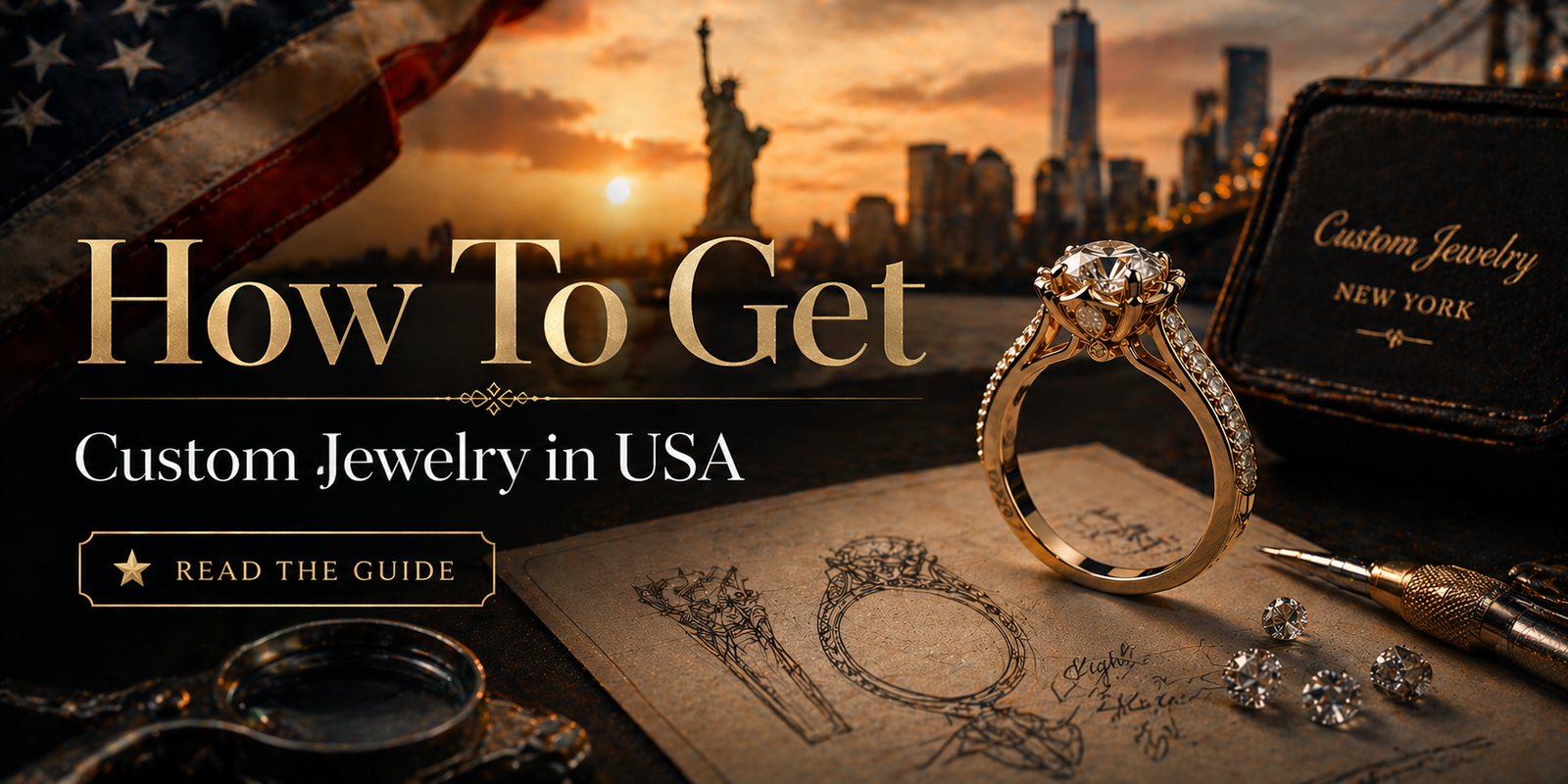
Custom jewelry in the USA is no longer limited to luxury boutiques or high-end designers. With the rise of manufacturer-direct models and digital design tools, buyers now have access to personalized jewelry at more transparent and competitive pricing.
Whether you’re designing an engagement ring, gold chain, bracelet, or pendant, understanding the process, cost structure, and buying model is essential to avoid overpaying and ensure quality.
This guide breaks down everything you need to know about getting custom jewelry in the USA—from pricing and design to sourcing and final purchase.
Key Takeaways
- Custom jewelry in the USA allows buyers to control design, material, and overall cost structure more effectively.
- Manufacturer-direct sourcing reduces unnecessary retail markups and improves pricing transparency.
- Understanding cost components like metal weight, making charges, and design complexity helps avoid overpaying.
- A structured process involving CAD design, approval, and production ensures better accuracy and satisfaction.
- Verification of certification and seller credibility is essential for quality assurance and long-term value.
- The market is shifting toward personalized, direct-to-consumer jewelry models that focus on efficiency rather than branding.
Understanding Custom Jewelry in the USA
Custom jewelry refers to pieces that are designed and created specifically based on your requirements rather than purchased from ready-made collections.
In the U.S. market, customization typically includes:
- Design personalization (style, pattern, structure)
Buyers can customize the overall look of the jewelry, including its style (minimalist, modern, traditional), pattern, and structural design. This ensures the final piece aligns perfectly with personal taste and purpose.
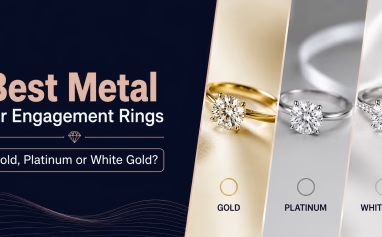
- Metal selection (gold, platinum, etc.)
Choosing the right metal impacts durability, appearance, and cost. Options like gold (14K, 18K, 22K) or platinum allow buyers to balance between strength, purity, and budget.
- Stone customization (diamonds, gemstones)
Buyers can select the type, size, quality, and placement of stones. This includes decisions around diamond clarity, cut, color, and carat, or choosing alternative gemstones based on preference.
- Size, weight, and finishing preferences
Customization extends to dimensions and comfort, including ring size, chain length, and overall weight. Finishing options like matte, glossy, or textured surfaces further refine the final appearance.
This approach gives buyers complete control over both design and cost.
How Much Does Custom Jewelry Cost in the USA?
Pricing for custom jewelry varies based on multiple factors. Unlike retail jewelry, where pricing is fixed, custom jewelry allows flexible cost control.
Key Cost Components
| Component | Impact on Price |
| Metal weight | Directly increases base cost |
| Gold purity | Higher karat = higher rate |
| Diamond quality | Carat, cut, clarity affect pricing |
| Design complexity | Intricate designs increase cost |
| Making charges | Labor and craftsmanship cost |
| Taxes & shipping | Final cost additions |
Price Variation Insight
- Retail jewelry includes brand markup, often increasing prices significantly
Retail pricing typically includes costs for branding, showrooms, marketing, and multiple intermediaries, which can raise the final price well beyond the actual material value.
- Manufacturer-direct jewelry offers more competitive pricing
Buying directly from manufacturers removes extra layers in the supply chain, resulting in lower overall costs and better pricing transparency.
- Customization can be cost-efficient if design and materials are optimized
By adjusting factors like metal weight, stone selection, and design complexity, buyers can create personalized jewelry that fits their budget without unnecessary expenses.
Material & Quality Check for Custom Jewelry
Quality should always be a priority, especially when buying custom jewelry remotely.
Material Guide
- 14K gold → Durable, ideal for daily wear
Contains a higher proportion of alloy metals, making it stronger and more resistant to scratches or bending—perfect for everyday use.
- 18K gold → Balance of purity and strength
Offers a good mix of richness and durability, with higher gold content while still being sturdy enough for regular wear.
- Platinum → Premium, long-lasting option
Known for its strength, rarity, and natural white finish, platinum is highly durable and maintains its appearance over time with minimal wear.
Authenticity Check
- Always verify metal purity
Ensure the gold or metal used matches the stated karat (e.g., 14K, 18K, 22K) through proper hallmarking or certification to confirm authenticity.
- Check diamond grading (if applicable)
For diamond jewelry, review grading reports that detail cut, clarity, color, and carat weight to ensure you’re paying for the actual quality.
- Ask for detailed specifications
Request a complete breakdown of materials, weight, stone details, and pricing components so you have full clarity on what you’re purchasing.
Certification
- Gold: Hallmark certification
Hallmarking verifies the purity of gold (such as 14K, 18K, or 22K) and ensures that the metal meets standardized quality benchmarks. It protects buyers from under-karated or misrepresented gold.
- Diamonds: GIA or equivalent certification
Certification from reputed labs like GIA confirms the diamond’s quality based on cut, color, clarity, and carat. It ensures authenticity and helps in accurate valuation and resale.
Proper certification ensures both authenticity and resale value.
Retail vs Manufacturer Custom Jewelry
Understanding the buying model is critical in the U.S. market.
Branded / Retail Custom Jewelry
- Fixed pricing
Branded custom jewelry typically follows standardized pricing structures, leaving little room for negotiation or cost optimization based on material or design changes.
- Premium buying experience
Buyers receive a polished showroom experience with professional assistance, luxury packaging, and after-sales services, which enhances convenience but adds to the overall cost.
- Limited customization flexibility
Although customization may be offered, it is often restricted to predefined templates or minor changes rather than full design control.
- Higher cost due to brand markup
A significant portion of the price includes branding, marketing, and retail overheads, making the final product more expensive compared to manufacturer-direct options.
Manufacturer-Direct Custom Jewelry
- Transparent pricing
Manufacturer-direct custom jewelry typically provides a clear breakdown of costs, including metal value, making charges, and any additional fees, helping buyers understand exactly what they are paying for.
- Custom design options
Buyers get full flexibility to create jewelry from scratch, including design structure, metal choice, stone selection, and finishing details, without being limited to preset collections.
- Lower cost
By eliminating intermediaries like distributors and retail showrooms, manufacturer-direct models reduce overall pricing, making custom jewelry more cost-efficient.
- Requires verification of seller
Since there is no established brand layer, buyers must carefully verify the credibility, certifications, and past work of the manufacturer to ensure quality and reliability.
Manufacturer-direct is increasingly preferred due to better value and flexibility.
Online vs Offline Custom Jewelry Buying
Online Buying
- Wider design options
Online platforms provide access to a vast range of styles, patterns, and customization choices that are often not available in physical stores with limited inventory.
- Easier price comparison
Buyers can quickly compare pricing across multiple sellers, helping them identify cost differences in gold value, making charges, and overall pricing structure.
- Access to manufacturer-direct sellers
Digital platforms make it easier to connect directly with manufacturers, reducing dependency on retail stores and enabling better pricing and customization.
- Better transparency
Online buying typically offers clearer cost breakdowns, specifications, and certifications, allowing buyers to make more informed and confident decisions.
Offline Buying
- Physical inspection possible
Buyers can see, touch, and try the jewelry before purchasing, which helps in evaluating design, comfort, and finishing in real time.
- Higher pricing due to overheads
Offline stores include costs like rent, staff, and showroom operations, which are added to the final jewelry price, making it more expensive.
- Limited customization options
Most physical stores focus on ready-made inventory, offering only minor modifications rather than full design flexibility.
The U.S. market is rapidly shifting toward online custom jewelry due to convenience and pricing advantages.
Design Options in Custom Jewelry
Customization allows full control over design elements.
Types of Jewelry You Can Customize
- Rings
- Chains
- Bracelets
- Pendants
Style Choices
- Minimalist
- Modern
- Vintage
- Luxury
Weight Consideration
- Lightweight → Budget-friendly and practical
- Heavyweight → Higher cost, more gold value
Choosing the right balance ensures both comfort and cost efficiency.
Step-by-Step Process to Get Custom Jewelry in USA
A structured approach helps avoid mistakes and ensures a smooth buying experience.
Step-by-Step Method
- Define your purpose (daily wear, gifting, investment)
Start by clearly identifying the purpose of your purchase. Jewelry meant for daily wear should focus on durability and comfort, while gifting pieces may prioritize design and emotional value. Investment-focused jewelry should emphasize gold weight and purity for better long-term value.
- Set a clear budget including all cost components
Establish a realistic budget that includes not just the base metal price but also making charges, taxes, shipping, and customization costs. This helps prevent overspending and ensures better financial planning.
- Choose metal type and purity
Select the appropriate metal (gold, platinum, etc.) and purity level (14K, 18K, 22K) based on your usage needs. Lower karat gold offers better durability, while higher purity provides greater intrinsic value.
- Finalize design concept or reference
Decide on a clear design direction by choosing a style or sharing reference images. This helps the manufacturer understand your expectations and reduces the chances of multiple revisions.
- Review CAD design (3D model)
Carefully examine the CAD model, focusing on dimensions, thickness, stone placement, and overall structure. This stage is crucial as it allows you to make changes before production begins.
- Approve wax model (if applicable)
If a wax model is provided, use it to assess real-world size, comfort, and proportions. This physical prototype helps identify any design or structural issues early.
- Confirm final pricing breakdown
Always review a detailed price breakdown that includes metal cost, making charges, taxes, and any additional fees. This ensures transparency and helps avoid hidden costs.
- Verify certification and seller credibility
Check for proper certifications such as hallmarking for gold and grading reports for diamonds. Also, verify the seller’s reputation, reviews, and previous work to ensure reliability.
- Place order and track production
Once everything is confirmed, place the order and stay informed about the production timeline. Regular updates help ensure the process is on track.
- Inspect final product on delivery
After receiving the jewelry, carefully inspect it for design accuracy, finishing quality, and certification details. Ensure it matches the approved design and meets your expectations before final acceptance.
Custom Jewelry Buying Checklist
Before finalizing your purchase, ensure:
- Pricing is transparent
The seller provides a clear breakdown of costs, including metal value, making charges, taxes, and any additional fees, ensuring there are no hidden charges.
- Making charges are reasonable
The labor cost aligns with the design complexity and is not inflated due to branding or unnecessary overheads.
- Certification is verified
Proper certifications for gold (hallmark) and diamonds (grading reports) are provided to confirm authenticity and quality.
- Seller credibility is confirmed
The manufacturer or seller has verified reviews, past work samples, and a trustworthy reputation in the market.
- Design matches approved CAD
The final product aligns accurately with the approved CAD design in terms of size, structure, and detailing.
- Return and exchange policies are clear
The seller clearly communicates policies regarding returns, exchanges, and repairs, ensuring a secure and risk-free purchase experience.
Common Mistakes to Avoid
- Overpaying for brand value instead of material
Many buyers end up paying a premium for branding, marketing, and showroom experience rather than the actual gold or diamond value, reducing overall cost efficiency.
- Ignoring making charges
Making charges can significantly increase the final price. Overlooking them leads to underestimating the total cost and potential overpayment.
- Not comparing multiple sellers
Jewelry prices can vary widely across sellers. Without comparison, buyers may miss better deals or more transparent pricing options.
- Choosing design over durability
Visually appealing designs may not always be practical for long-term use. Ignoring durability can lead to higher maintenance or shorter lifespan.
- Skipping certification checks
Not verifying hallmarking or diamond certification increases the risk of buying low-quality or misrepresented jewelry, affecting both trust and resale value.
Avoiding these mistakes ensures better value and long-term satisfaction.
Why Custom Jewelry Is Growing in the USA
The shift toward customization is driven by:
- Demand for personalized designs
Buyers increasingly prefer jewelry that reflects their individual style and story, leading to a strong shift toward custom-made, one-of-a-kind pieces.
- Better pricing transparency
Modern consumers want clear cost breakdowns, including material value and making charges, driving demand for more transparent pricing models.
- Rise of manufacturer-direct models
Direct sourcing from manufacturers is gaining popularity as it reduces intermediaries, lowers costs, and offers greater customization flexibility.
- Influence of digital platforms and trends
Social media and online platforms are shaping design preferences and buying behavior, encouraging buyers to explore unique styles and make informed decisions.
Consumers now prefer unique, made-to-order jewelry over mass-produced designs.
Benefits of Custom Jewelry
- Unique and personalized design
- Better control over budget
- Higher emotional value
- Flexible design options
- Direct involvement in creation process
Investment & Resale Perspective
Custom jewelry can still hold value if purchased correctly.
Key Factors for Resale Value
- Unique and personalized design
Custom jewelry allows you to create a one-of-a-kind piece tailored to your style, ensuring it stands out from mass-produced designs.
- Better control over budget
You can adjust elements like metal weight, stone quality, and design complexity to keep the final cost aligned with your budget.
- Higher emotional value
Personalized pieces often carry sentimental significance, making them more meaningful than standard jewelry.
- Flexible design options
From structure to finishing, customization offers the freedom to modify every detail according to your preference.
- Direct involvement in creation process
You participate in each stage—from concept to final approval—ensuring the end product matches your exact expectations.
Important Considerations
- Making charges are not recoverable
When reselling jewelry, buyers typically only receive value for the gold or metal content. The making charges paid for design and craftsmanship are not returned, leading to a loss on the initial purchase cost.
- Design premium has limited resale impact
Unique or intricate designs may increase the purchase price, but they usually do not add significant value during resale. Buyers are paid based on material weight rather than design aesthetics.
- Gold price fluctuations affect returns
The resale value of jewelry is directly linked to current market gold prices. If gold rates decrease, the return on your purchase may be lower, regardless of the original cost.
Buying close to material value improves long-term value retention.
Trends in Custom Jewelry (2026)
- Lightweight jewelry demand
Buyers are increasingly choosing lighter pieces for better comfort, affordability, and ease of daily wear, reducing the focus on heavy gold jewelry.
- Minimalist luxury designs
Simple, elegant designs with clean finishes are replacing bulky and overly intricate styles, reflecting a modern approach to luxury.
- Daily wear preference
Jewelry is no longer limited to special occasions—consumers now prefer pieces that can be worn regularly without compromising comfort or durability.
- Growth of online buying
More buyers are shifting to digital platforms for better price comparison, wider design access, and transparent purchasing experiences.
These trends reflect a shift toward practicality and value-driven purchasing.
Final Insight
Getting custom jewelry in the USA has become more accessible, transparent, and flexible than ever before, driven by digital platforms, manufacturer-direct models, and growing consumer awareness. Buyers are no longer limited to fixed retail collections or high showroom markups. Instead, they now have the ability to actively participate in the design and pricing process, making jewelry purchasing more personalized and value-driven.
Today’s buyers can define every detail—from metal type and purity to design structure, stone selection, and finishing style—while also maintaining control over their budget. This shift has made it essential to understand how pricing works, how quality is verified, and which sourcing model offers the best long-term value. Factors like CAD design approvals, certification standards, and transparent cost breakdowns now play a critical role in ensuring a safe and informed purchase.
By focusing on material value, comparing multiple sellers, and working with reliable manufacturers, buyers can create high-quality custom jewelry without unnecessary costs. This approach not only improves affordability but also ensures better design flexibility, authenticity, and long-term satisfaction.