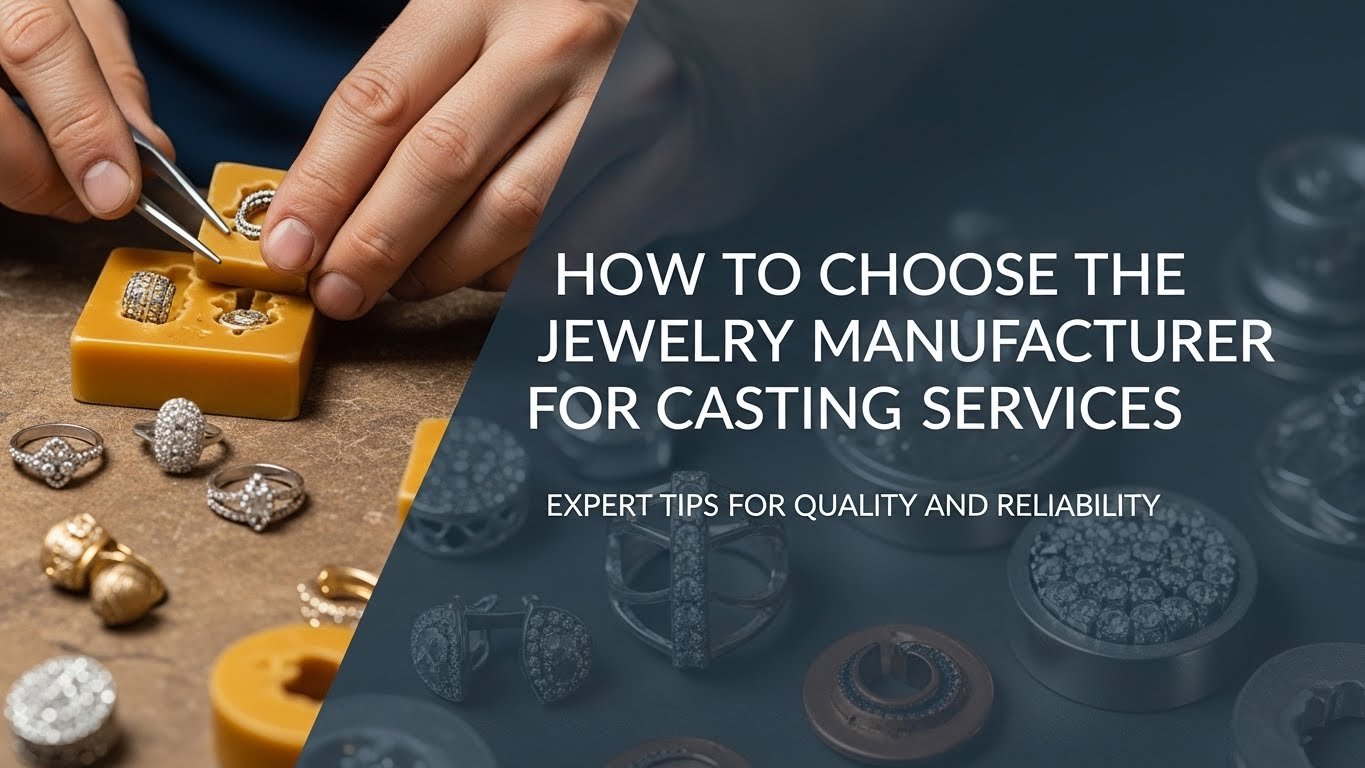
How to Choose the Right Jewelry Manufacturer for Casting Services
Choosing the right jewelry manufacturer for casting services is one of the most important decisions for any brand, startup, or independent designer. Whether you’re launching a new line of wedding jewelry sets, experimenting with custom diamond settings, or looking to scale wholesale production, the manufacturer you select will directly affect the quality, cost, and reputation of your brand.
But with so many jewelry casting companies across the U.S., Europe, and Asia, how do you know which one is right for you?
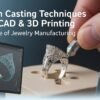
This guide will help you navigate the decision-making process step by step, highlighting what to look for in a reliable partner, common pitfalls to avoid, and how modern technology like CAD and 3D printing fits into today’s casting services.
1. Why Choosing the Right Jewelry Manufacturer Matters
Your Jewelry manufacturer is more than just a supplier—they’re a partner who shapes the very foundation of your business. A poor casting service can result in:
- Inconsistent Quality: Prong settings too weak, uneven finishing, or off-center stone placement.
- Delays: Missed deadlines mean lost sales opportunities.
- High Costs: Errors in casting lead to wasted metal and budget overruns.
- Brand Damage: Customers expect flawless jewelry, not poorly set stones or uneven surfaces.
By contrast, a trusted jewelry casting partner ensures:
- High-quality craftsmanship.
- On-time delivery.
- Flexibility for both custom and bulk orders.
- Scalability as your brand grows.
2. Understand Your Jewelry Casting Needs
Before you approach manufacturers, you need clarity on your requirements. Ask yourself:
- What type of jewelry am I producing?
(Luxury fine jewelry, oxidized jewelry, custom pearl jewelry, or affordable brass/vermeil pieces.) - Do I need bespoke or bulk casting?
(For example, one-of-a-kind engagement rings vs. hundreds of wedding bands.) - What metals and settings will I use?
(Gold, silver, platinum, brass; prong, shared prong, cathedral, or Tiffany settings.) - What design support do I need?
(Some manufacturers offer AI-powered jewelry design and CAD modeling; others only cast from supplied files.)
Understanding these details ensures you select a manufacturer aligned with your business model.
3. Key Factors to Consider When Choosing a Jewelry Manufacturer
a) Experience & Expertise
Look for manufacturers with proven experience in jewelry casting. A company that has worked on diamond settings for oval, princess, emerald, and round cuts will better understand your needs than one focused only on mass-market fashion jewelry.
b) CAD & 3D Printing Capabilities
Modern jewelry manufacturing relies heavily on CAD design and 3D printing. Your manufacturer should:
- Accept CAD files in standard formats.
- Provide in-house CAD design assistance if needed.
- Offer rapid 3D printing for prototypes.
This ensures accuracy for complex pieces like custom diamond halos or three-stone settings.
c) Material Options
A reliable manufacturer should offer flexibility in materials:
- Gold (10K–22K) for fine jewelry.
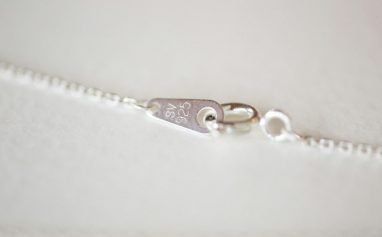
- 925 Sterling Silver for mid-range collections.
- Platinum for premium wedding bands.
- Brass or Vermeil for fashion jewelry.
If you’re experimenting with oxidized jewelry options or sustainable metals, confirm that your manufacturer has the technical expertise.
d) Quality Control Processes
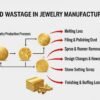
Ask about quality checks at every stage—casting, filing, polishing, and setting. Do they use microscopes for stone-setting verification? Do they weigh pieces against CAD specifications to ensure accuracy?
e) Customization & Flexibility
If you’re offering bespoke jewelry, your manufacturer must adapt to frequent design changes. Bulk manufacturers may not provide this flexibility.
f) Scalability
A startup may begin with small orders, but as your brand grows, your manufacturer should be able to handle larger casting volumes without compromising quality.
g) Communication & Transparency
Clear communication ensures smooth collaboration. A good manufacturer shares:
- Expected timelines.
- Minimum order quantities (MOQs).
- Pricing breakdowns.
- Updates on casting progress.
4. Evaluating Jewelry Casting Techniques
Not all casting services are equal. Ask your manufacturer which techniques they use:
- Lost-Wax Casting – The traditional method, still widely used, especially for intricate custom work.
- Vacuum Casting – Ideal for high-precision pieces.
- Centrifugal Casting – Effective for small-scale production.
- Direct Metal 3D Printing – Emerging trend, useful for prototypes and select luxury pieces.
For example, if you’re planning a line of cathedral setting vs. Tiffany setting engagement rings, you’ll want a manufacturer skilled in advanced casting combined with meticulous hand-finishing.
5. Prototyping & Sampling
Never commit to large orders without first reviewing samples. A professional manufacturer should:
- Provide 3D-printed prototypes for approval.
- Create wax/resin models for design verification.
- Deliver a final sample before mass production.
Sampling helps you evaluate finishing quality, weight accuracy, and setting security.
6. Cost Considerations
While cost shouldn’t be the only factor, it’s important to understand:
- Casting Fees – Charges per piece or per batch.
- Design Assistance – Extra costs for CAD work or design modifications.
- Minimum Order Quantities (MOQs) – Bulk vs. small runs.
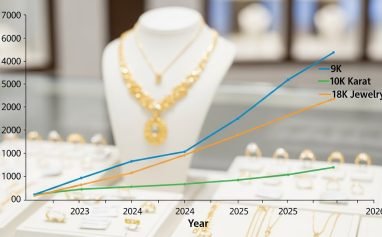
- Metal Prices – Ensure pricing aligns with market fluctuations in gold, silver, and platinum.
Pro tip: A manufacturer who offers transparent pricing is more trustworthy than one with hidden fees.
7. Turnaround Time
Timelines can make or break a jewelry business. A strong manufacturer should provide realistic estimates for:
- CAD and prototyping – Usually 3–7 days.
- Casting & finishing – Typically 10–14 days depending on order size.
- Shipping – Especially important for international collaborations.
Quick turnaround is vital for seasonal collections, bridal launches, and custom orders.
8. Certifications & Ethical Practices
Modern consumers care deeply about ethical sourcing. Look for manufacturers with:
- Fairtrade or Responsible Jewelry Council (RJC) certifications.
- Transparency in sourcing gold, silver, and gemstones.
- Experience working with lab-grown diamonds and recycled metals.
This not only improves your brand image but also appeals to eco-conscious customers.
9. Red Flags to Watch Out For
Avoid manufacturers who:
- Refuse to share detailed pricing or MOQs.
- Deliver vague or incomplete CAD designs.
- Lack in-house expertise for custom diamond settings or advanced finishing.
- Offer unrealistically low costs (often a sign of cutting corners).
10. Building Long-Term Relationships
The best jewelry manufacturers aren’t just vendors—they’re partners in your growth. A long-term collaboration offers:
- Priority service for new collections.
- Better pricing over time.
- Improved understanding of your design preferences.
- Streamlined reorders for popular designs.
Many successful brands grow alongside their manufacturers, co-creating unique pieces such as AI-powered jewelry design collections or heritage-inspired wedding jewelry sets.
11. FAQs About Choosing a Jewelry Manufacturer
Q1: Can I work with an overseas jewelry manufacturer?
Yes. Many U.S. brands collaborate with manufacturers in India and Thailand due to their advanced jewelry casting expertise and competitive pricing.
Q2: What’s the minimum order quantity (MOQ)?
It varies. Some manufacturers accept small runs, while others only handle bulk casting orders.
Q3: How do I ensure quality when working remotely?
Request detailed CAD renderings, 3D-printed samples, and final prototypes before mass production.
Q4: Is CAD necessary for casting?
Yes. CAD ensures design precision, especially for prong & shared prong settings, custom pearl jewelry, and intricate engagement rings.
Q5: Should I choose a manufacturer who offers design services?
If you don’t have an in-house design team, it’s best to partner with a manufacturer who provides CAD and design support.
Conclusion:
Finding the right jewelry manufacturer is not just about cost—it’s about building a partnership that supports your growth. From understanding prong and shared prong settings to mastering jewelry casting techniques and delivering flawless custom diamond settings, your chosen partner plays a central role in shaping your brand’s success.
At Nakassi, we combine advanced CAD and 3D printing capabilities with global jewelry casting expertise to help designers, startups, and brands bring their ideas to life. Whether you’re looking for AI-powered jewelry design solutions, custom pearl jewelry manufacturing, or scalable production of wedding jewelry sets, we provide the technology, craftsmanship, and trust you need.
Your designs deserve a manufacturer who understands both creativity and precision. With Nakassi, you gain a partner who transforms concepts into beautifully cast jewelry—every time.
Brijesh brings a decade of experience in SEO and a deep love for jewelry to his writing. He excels at creating content that shines both on the page and in search engines, ensuring every story about gems and craftsmanship reaches the right audience.