9K vs 18K Gold – Which Metal Should You Choose for Custom and Commercial Jewelry Production?
Gold isn’t just a metal—it’s a statement of luxury, craftsmanship, and timeless style. When choosing between 9K and 18K gold for your jewelry production, the decision influences not only the final look of your pieces but also their durability, value, and audience appeal. Whether you’re designing bespoke jewelry or managing large-scale manufacturing, understanding these two gold types can make all the difference.
In this guide, we’ll explore the crucial differences between 9K and 18K gold and help you decide which is right for your business—especially if you’re aiming for Nakassi-level craftsmanship and quality.
Understanding Gold Purity: What Does 9K and 18K Mean?
The Karat Scale Explained
Gold purity is measured in karats (K), which indicate the ratio of pure gold to alloyed metals.
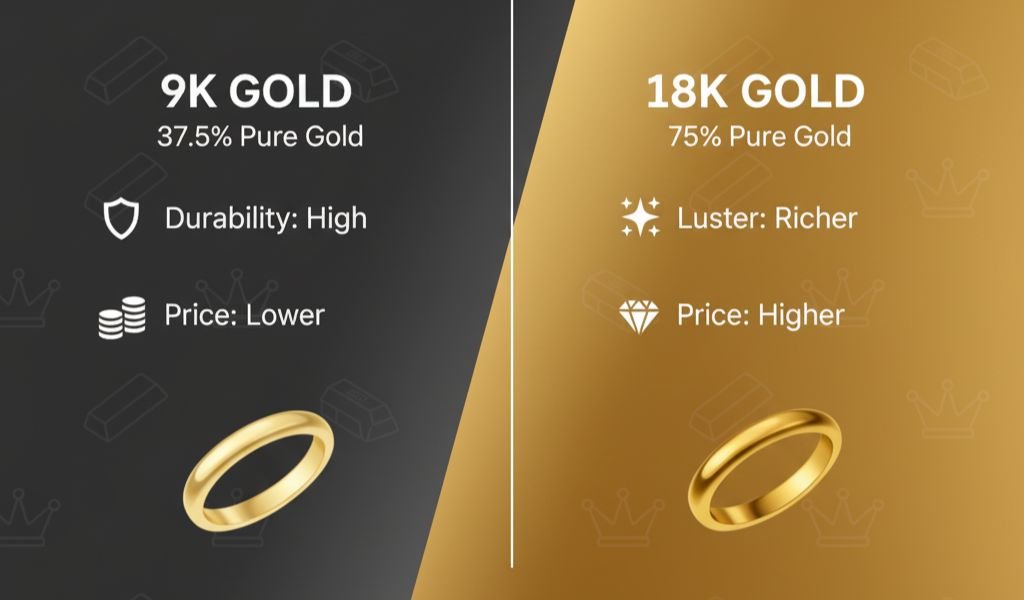
- 9K gold = 37.5% pure gold + 62.5% alloy metals
- 18K gold = 75% pure gold + 25% alloy metals
The alloys—typically silver, copper, zinc, or nickel—affect both the color and hardness of the final product.
9K Gold Composition and Properties
9K gold is admired for its toughness and affordability. With a lower gold content, it’s harder and more resistant to scratching—perfect for commercial jewelry that needs to stand up to daily wear. Its subtle color also pairs well with modern, minimalist designs.
18K Gold Composition and Properties
18K gold, on the other hand, is known for its rich color and luxurious appeal. With 75% gold, it has a deep yellow tone that radiates elegance. While softer and slightly more prone to scratching, its malleability makes it ideal for intricate custom jewelry—something Nakassi artisans are known to perfect.
Visual and Physical Differences Between 9K and 18K Gold
Color and Luster Differences
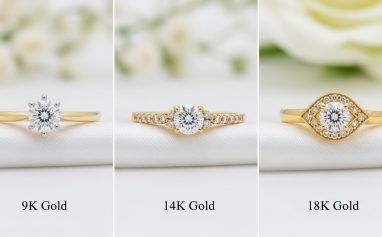
The higher gold content in 18K gold gives it a warmer, more vivid tone. 9K gold, containing more alloys, appears paler—closer to a light champagne color. Both can be stunning, depending on your brand aesthetic and design goals.
Durability and Hardness
9K gold wins in terms of hardness, making it an excellent choice for mass-produced jewelry. 18K gold, however, offers flexibility for fine engraving and stone setting—perfect for Nakassi’s handcrafted luxury collections.
Weight and Density
18K gold feels heavier and more substantial, enhancing its luxury feel. 9K gold is lighter, making it better suited for larger designs like bangles or statement necklaces.
Price Comparison: 9K vs 18K Gold
Market Value and Gold Content
18K gold costs nearly double the price of 9K gold due to its purity. For brands like Nakassi, this means balancing design value with customer demand—choosing 18K gold for high-end lines and 9K for accessible luxury collections.
Long-Term Value Retention
18K gold maintains its value over time, appealing to investors and collectors. 9K gold offers an affordable entry point for younger customers without compromising on elegance.
Suitability for Custom Jewelry Production
Workability and Casting Qualities
Jewelers love 18K gold for its malleability and ease of shaping—especially for intricate designs and gemstone settings. It’s a top choice for Nakassi’s bespoke engagement rings and custom heirlooms.
9K gold, being harder, requires more precision in casting but yields highly durable pieces.
Stone Setting and Engraving Compatibility
For precision settings or personalized engravings, 18K gold performs better. Its smooth texture allows detailed artistry—exactly what distinguishes Nakassi’s fine craftsmanship.
Suitability for Commercial Jewelry Production
Production Cost and Efficiency
For commercial-scale jewelry production, 9K gold offers the perfect balance between durability and cost-efficiency. It minimizes production expenses without compromising on the gold’s appeal.
Target Market Preferences
- 9K gold: Ideal for budget-conscious buyers or everyday wear collections.
- 18K gold: Suited for high-end clients seeking luxury and long-term value—Nakassi’s hallmark audience.
Hypoallergenic Properties and Skin Sensitivity
18K gold is more hypoallergenic due to its higher gold purity. For clients with sensitive skin, Nakassi often recommends 18K gold pieces to ensure comfort without sacrificing beauty. 9K gold may contain trace amounts of nickel or copper that could irritate sensitive skin types.
Maintenance and Care Tips
- For 9K gold: Use gentle cleaning solutions and avoid chlorine or harsh chemicals.
- For 18K gold: Store separately to avoid scratching softer surfaces and polish regularly.
Nakassi offers complimentary jewelry care guides and professional cleaning for all 18K gold collections.
Pros and Cons Summary Table
| Feature | 9K Gold | 18K Gold |
| Purity | 37.5% | 75% |
| Color | Light Yellow | Rich Yellow |
| Durability | Very High | Moderate |
| Price | Affordable | Premium |
| Workability | Harder | Softer |
| Hypoallergenic | Moderate | Excellent |
| Ideal Use | Commercial | Custom & Fine Jewelry |
Expert Recommendations
For high-end craftsmanship and timeless elegance, 18K gold remains the top choice—its luxurious hue and flexibility allow designers to create intricate, personalized masterpieces.
However, for mass production or jewelry that requires higher durability, 9K gold is more practical and budget-friendly.
At Nakassi, both metals are thoughtfully used:
- 9K gold for modern, affordable luxury collections.
- 18K gold for signature, handcrafted masterpieces that celebrate tradition and artistry.
FAQs about 9K vs 18K Gold
1. Is 9K gold considered real gold?
Yes, 9K gold is genuine gold with 37.5% pure content, alloyed for strength.
2. Which is better for everyday jewelry?
9K gold is more durable for daily wear, while 18K gold suits special occasions.
3. Does 18K gold scratch easily?
It can, but it’s easier to polish or repair—ideal for heirloom pieces.
4. Which holds its color better?
18K gold naturally maintains its rich tone longer due to higher purity.
5. Can 9K gold tarnish?
Yes, slightly over time, but with proper care, its shine can be restored.
6. Does Nakassi use both gold types?
Absolutely. Nakassi designs collections in both 9K and 18K gold, ensuring accessibility without compromising craftsmanship.
Conclusion: Making the Right Choice with Nakassi
Choosing between 9K vs 18K gold depends on your goals—durability and affordability versus purity and prestige. Both have their place in fine jewelry production, and both can embody elegance when designed with skill and passion.
At Nakassi, we blend innovation and artistry to craft timeless pieces in both 9K and 18K gold. Whether you’re seeking affordable luxury or custom-made sophistication, Nakassi’s jewelry collections reflect exceptional craftsmanship, ethical sourcing, and enduring beauty.
Experience the difference with Nakassi—where gold meets artistry and every design tells a story.

Brijesh brings a decade of experience in SEO and a deep love for jewelry to his writing. He excels at creating content that shines both on the page and in search engines, ensuring every story about gems and craftsmanship reaches the right audience.